
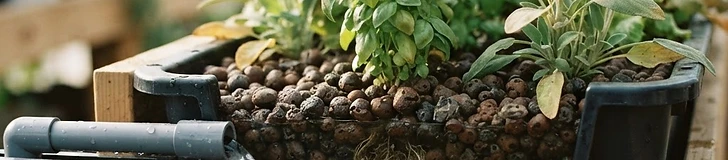
In the world of home aquaponics, your biofilter is the beating heart of the entire ecosystem. Before you can stock your tanks with vibrant tilapia or lush butterhead lettuce, you must establish a thriving colony of beneficial bacteria. This process, known as cycling, is the most critical phase for any new gardener. It is the invisible transformation that turns toxic fish waste into nutrient-rich plant food. Without this biological foundation, the ammonia levels in your water will spike, posing a lethal threat to your aquatic life. Patience during these first few weeks is the single greatest investment you can make for a sustainable garden.
Understanding the Nitrogen Cycle
At the center of aquaponics is the nitrogen cycle. Your fish produce ammonia through their gills and waste. Naturally, ammonia is highly toxic and burns the sensitive tissues of aquatic creatures. Your job is to foster specific types of bacteria that work in a two-stage relay. First, Nitrosomonas bacteria oxidize the ammonia into nitrites. While nitrites are also toxic, they serve as the food for a second group of bacteria called Nitrobacter. These organisms convert the nitrites into nitrates, which are the gentle, highly absorbable nutrients that fuel your leafy greens and herbs.
Preparing Your System
Before you begin the cycle, ensure your system is fully assembled and leak-checked. Fill your fish tank and grow beds with dechlorinated water. If your municipal tap water contains chlorine or chloramine, use a high-quality water conditioner to neutralize it, as these chemicals will immediately kill the beneficial bacteria you are trying to cultivate. Start your water pump and air stones to ensure oxygen saturation; these bacteria are aerobic organisms that thrive on dissolved oxygen. Maintain a water temperature between 70°F and 80°F, which is the sweet spot for rapid bacterial colonization.
The Ammonia Source
To jumpstart the system without fish, you must add an external source of ammonia. You can use pure, unscented household ammonia—ensure it contains no surfactants or perfumes—or utilize a small amount of fish food. Adding 2 to 4 parts per million (ppm) of ammonia is standard. If you are using an API master test kit, you should be able to measure these levels precisely. Do not rush this; the goal is to provide a consistent food source for the bacteria to colonize your clay pebbles or lava rock media.
Monitoring the Transition
Over the next two to four weeks, you will see a dramatic shift in your water chemistry. During the first week, your ammonia levels will hold steady or slowly decline. By week two, you should notice a rise in nitrites. This is a sign that the first stage of the cycle is working. Continue testing daily. Eventually, you will see the nitrite levels spike and then suddenly drop as the second stage of bacteria takes hold. When your ammonia and nitrites both test at 0 ppm after a dose of ammonia, and your nitrates show a rising trend, your system is officially cycled.
Introducing Life
Once the cycle is complete, perform a partial water change to bring the nitrate levels down to a manageable range for seedlings. Introduce your fish slowly, starting with a small population to avoid overloading the biofilter. As your fish grow and increase their waste output, the bacterial colony will naturally expand to meet the demand. Keep a close eye on your plants during this transition; if you see yellowing leaves, it may indicate that the system needs more time to produce sufficient nitrates.
Practical tips
- Always use a liquid test kit rather than paper strips for better accuracy during the cycling process.
- Avoid using commercial 'bacteria in a bottle' products unless you are certain they are specifically cultured for aquaculture; many shelf-stable products are ineffective.
- Keep your grow beds shaded during the cycle to prevent excessive algae growth before your plants are established.
- If your water temperature drops below 65°F, the cycling process will slow down significantly, so consider a submersible aquarium heater.
- Never wash your biofilter media with chlorinated tap water, as this will destroy the bacterial colony you worked so hard to grow.
Quick takeaway
Cycling is a test of patience that transforms toxic waste into liquid gold, so wait for the ammonia and nitrite levels to reach zero before adding your first fish.