
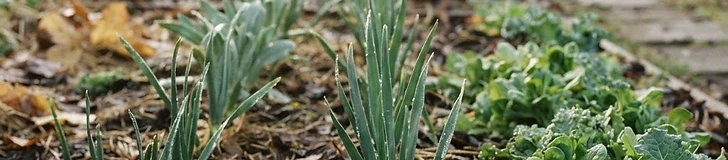
As the days shorten and the first frost warning flashes across your weather app, it is tempting to clear the garden beds and call it a season. However, for the savvy home gardener, autumn is actually a time of preparation rather than cessation. By selecting the right crops and understanding the microclimates of your own backyard, you can utilize the dormant winter period to get a head start on next year's harvest. Overwintering vegetables is a time-tested tradition that transforms the cold months from a dead zone into an incubator for your garden.
Planting Garlic for Summer Success
Garlic is the quintessential overwintering crop. Unlike many other vegetables, garlic requires a process called vernalization, where the cloves need a sustained period of cold temperatures to trigger bulb formation. For most USDA zones 4 through 8, the ideal time to plant is in late autumn, roughly four to six weeks before the ground freezes solid. You want the roots to establish well, but you want to avoid significant green top growth before the soil hardens.
Choose hardneck varieties if you live in colder regions with harsh winters, as they are exceptionally hardy and produce a more robust flavor. Softneck varieties are better suited for milder climates where extreme freezes are rare. Plant your cloves with the pointed end facing up, about three to four inches deep, and space them six inches apart. Covering the bed with four to six inches of straw mulch is vital; it acts as an insulating blanket that prevents the ground from heaving, which can push bulbs out of the soil during the freeze-thaw cycles of early spring.
The Resilient World of Overwintering Onions
While we often associate onions with long summer days, short-day and day-neutral varieties can be sown or transplanted in the fall in zones 6 and warmer. These onions take advantage of the cool, moist soil to grow a strong root system throughout the winter months. By the time spring arrives, they are already weeks ahead of any onions you would plant in March.
If you are in a colder zone, focus on overwintering Egyptian Walking Onions or perennial chives. These hardy plants will go dormant when the mercury drops, but they are often the very first signs of life in a garden when the snow melts. They are remarkably resilient and require little intervention beyond a light layer of organic compost to nourish the soil as it warms up.
Managing Cold-Hardy Greens
Leafy greens like kale, spinach, and mache are the superheroes of the winter garden. Many of these plants do not just survive the cold; they actually become sweeter as temperatures drop. When a plant is stressed by frost, it converts its starches into sugars to protect its cell walls from freezing, a natural antifreeze that works in your favor as a gardener.
To keep these greens alive through the coldest months, consider using low tunnels or frost cloths. These simple covers trap radiant heat from the soil and break the chilling wind. Spinach is particularly impressive, as it can be harvested well into winter in zones 5 and higher if given the shelter of a cold frame. Remember that photosynthesis slows down drastically in December and January, so do not expect rapid growth; you are essentially using your garden as a living pantry, storing the mature leaves until you are ready to pick them.
Practical Tips for Winter Success
- Always water your plants thoroughly before the first deep freeze, as hydrated plants handle cold stress far better than dehydrated ones.
- Ensure your garden beds have excellent drainage, as standing water combined with freezing temperatures can rot the crowns of your onions and garlic.
- If you live in an area with heavy snow, keep your mulch anchored so it does not blow away during winter storms.
- Mark your rows clearly with sturdy stakes that can be seen even through a light dusting of snow.
- Monitor the soil temperature rather than the air temperature; it is the soil's warmth that determines when roots stop growing.
- Remove heavy, wet snow from your low tunnels to prevent the structures from collapsing onto your delicate greens.
Quick Takeaway
Winter is not the end of your gardening journey but a crucial growing phase that builds strong roots, sweeter greens, and superior harvests for the year ahead.