
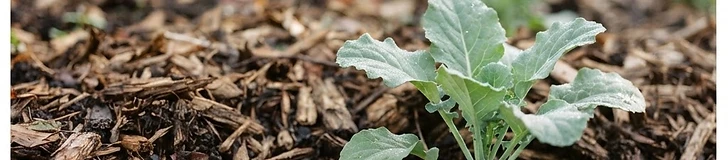
Applying a layer of organic matter to the surface of your garden beds is the single most effective way to improve your soil’s long-term vitality. By acting as a protective barrier, mulch guards your soil against extreme temperatures, erosion, and moisture loss, creating an ideal environment for beneficial microbes and earthworms.
Protecting Soil Structure
Without cover, bare soil is vulnerable to the elements. Heavy rainfall can cause compaction, where the weight of water squeezes out vital air pockets. Soil compaction restricts root growth and inhibits water drainage. A 2-to-3-inch layer of mulch acts like a shock absorber, diffusing the impact of raindrops and keeping the soil crumbly and aerated throughout the growing season.
Regulating Temperature
Soil temperature directly affects root development and nutrient uptake. During the sweltering heat of summer in USDA zones 6 through 9, temperatures can often exceed 90°F at the soil surface, stressing your plants. Thermal regulation provided by mulch keeps roots cool, while in the early spring, it helps prevent rapid temperature fluctuations that can cause frost heaving in perennial beds.
Pro tip: Always leave a 2-inch gap around the base of stems and trunks to prevent rot and discourage pests from making a home near your plant's sensitive crown.
Feeding the Life Underground
As organic materials like straw, shredded leaves, or wood chips break down, they provide a steady supply of nutrients to your soil. This slow-release process encourages a healthy fungal and bacterial network. To maximize these benefits, consider these options:
- Straw: Best for vegetable gardens as it is light and easy to move.
- Shredded Leaves: An excellent, free way to recycle autumn debris.
- Wood Chips: Ideal for pathways or perennial shrubs where longevity is preferred.
Moisture Retention
Water evaporation is the enemy of efficient gardening. Evaporation control is crucial during dry spells; mulch prevents the sun from baking moisture out of the earth, allowing you to water less frequently while keeping the soil consistently damp. This deep moisture stability allows roots to thrive even during the dry mid-summer months, leading to stronger, more productive plants.
By keeping your soil covered year-round, you are essentially mimicking the forest floor, building a resilient foundation that will support your plants for seasons to come.