
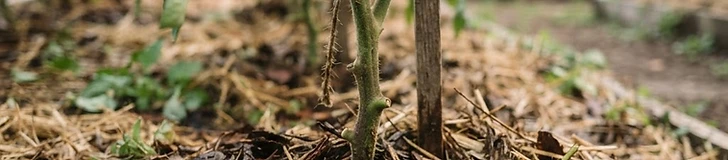
Applying a layer of mulch is one of the most effective ways to simplify tomato care and boost your overall harvest. By covering the soil, you create a protective barrier that regulates temperature and prevents soil-borne pathogens from splashing onto your plant's foliage. This guide covers how to choose and apply the best mulch for your garden.
Choosing the Right Material Selecting an organic material that decomposes slowly while providing excellent ground coverage is key. Good options for Solanum lycopersicum include:
- Straw: Clean wheat straw is a gold standard for its light weight and ease of application.
- Shredded leaves: Free and effective, but ensure they are not from diseased plants.
- Grass clippings: Use only untreated, dry clippings in thin layers to prevent matting.
The Importance of Moisture Consistency Tomatoes require even soil moisture to prevent issues like blossom-end rot and fruit cracking. Mulch acts as a thermal blanket, reducing evaporation from the sun. In warmer regions like USDA zones 8-10, this helps keep root zones cool when temperatures climb above 85°F.
Suppressing Soil-Borne Disease Many tomato diseases, such as early blight, live in the soil. When it rains or you water from above, water splashes soil particles—and fungi—onto the lower leaves.
- Prune the bottom 6 to 10 inches of growth to remove the lowest leaves.
- Apply a 2- to 3-inch layer of mulch around the base of the plant.
- Extend the mulch to the outer edge of the drip line to cover all exposed soil.
Always keep the mulch a few inches away from the main stem of the plant to prevent rot and discourage hungry slugs.