
Starting your first vegetable garden is an exciting endeavor, but it can quickly become overwhelming when you realize how much space and care different plants require. For a beginner, the best strategy is to focus on crops that offer a high yield relative to the effort and square footage they occupy. When you select plants that provide a continuous harvest throughout the growing season, you gain confidence and enjoy the literal fruits of your labor much faster.
Choose Crops with Continuous Production
The secret to a high-yield garden is choosing 'cut-and-come-again' crops. Leafy greens like loose-leaf lettuce, kale, and Swiss chard are perfect examples. Instead of harvesting the entire plant, you simply snip the outer leaves as you need them, allowing the center of the plant to continue producing new growth for weeks or even months. This method ensures you have fresh salad greens on hand without needing to replant constantly.
The Efficiency of Pole Beans
If you have limited ground space, think vertically. Pole beans are significantly more productive than their bush counterparts because they grow upward on trellises or stakes rather than spreading across the soil. A single small patch of pole beans can produce heavy yields all summer long. They are also relatively pest-resistant and require minimal maintenance once the support structure is installed. By directing energy upward, you keep the garden tidy and make harvesting much easier on your back.
Tomatoes: The Gold Standard
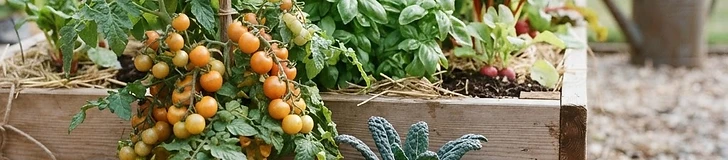
No high-yield garden is complete without tomatoes. For beginners, cherry or grape tomato varieties are the most reliable producers. They are incredibly prolific, often yielding hundreds of fruits from just two or three plants. Unlike larger heirloom varieties, which can be prone to cracking or disease, smaller tomato varieties are robust and fast-growing. Ensure they are planted in a spot receiving at least eight hours of direct sunlight and provide them with a sturdy cage to support the heavy fruit load.
Zucchini and Summer Squash
Zucchini is famous for being overly productive, which is exactly what a beginner needs. A single healthy zucchini plant can produce enough squash to feed a small family, and often more. These plants grow rapidly in warm soil—typically above 70°F—and thrive with consistent watering. Because they have large leaves that shade the soil, they also help suppress weeds around the base, effectively doing some of the garden maintenance for you.
Peppers for Consistent Harvesting
Both bell peppers and hot peppers are excellent high-yield candidates for zones 5 through 9. Once the weather warms up, peppers will produce steadily until the first autumn frost. They take up very little horizontal space, making them ideal for container gardening or tight rows. If you live in a climate with a shorter growing season, look for 'early' varieties that are bred to produce fruit in fewer days.
Practical tips
- Soil quality is the foundation of yield; mix two inches of compost into your beds before planting to ensure plants have the nutrients they need to produce heavily.
- Use mulch, such as straw or shredded leaves, to retain soil moisture and prevent weeds from stealing nutrients.
- Water at the base of the plant in the early morning to prevent fungal diseases and keep leaves dry.
- Harvest regularly; for vegetables like beans, squash, and peppers, picking the fruit encourages the plant to produce more.
- Plant in blocks rather than long, thin rows to create a microclimate where foliage shades the ground, reducing evaporation.
Quick takeaway
Focus on high-yield, continuous-harvest crops like pole beans, cherry tomatoes, and leafy greens to maximize your garden's output with minimal space and effort.