
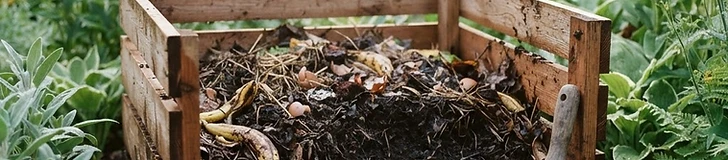
Starting a compost pile is one of the most rewarding steps a gardener can take to close the loop on household waste while supercharging their soil health. By mimicking the natural decomposition process found on a forest floor, you can convert discarded plant material into crumbly, dark gold that your vegetables and flowers will crave. Whether you live in the humid southeast or the arid west, the principles of composting remain consistent across all USDA hardiness zones, requiring only a small corner of your yard and a bit of patience.## Choosing the Right Location for Your Bin To ensure your compost pile thrives, start by selecting a level, well-drained spot in your yard. Avoid placing your bin directly on a concrete patio or deck, as you want the pile to have direct contact with the soil. This allows beneficial earthworms, microbes, and fungi to migrate into the pile and aids in drainage. Aim for a spot that is easily accessible from your back door so you do not mind carrying scraps out during a rainy spring day in April. If you live in a region with scorching summers, consider a location with partial shade to keep the pile from drying out too quickly.## Building a Simple Enclosure While you can pile materials directly on the ground, a bin helps keep the pile tidy and retains heat. For a beginner project, a simple four-sided enclosure built from untreated cedar or wire fencing works wonders. Create a structure that is roughly three feet by three feet. This volume is the sweet spot; it is large enough to insulate the center of the pile and generate heat, yet small enough that you can easily reach the middle with a pitchfork for turning. If you are using wire mesh, secure the corners with heavy-duty zip ties or wire, allowing enough slack to open one side when it comes time to harvest your compost.## The Anatomy of a Healthy Pile Success in composting relies on the ratio of carbon-rich materials to nitrogen-rich materials. Think of your pile as a lasagna. Browns provide the carbon, which acts as the fuel for the microbes; these include dried leaves, shredded cardboard, straw, and pine needles. Greens provide the nitrogen and moisture, consisting of grass clippings, vegetable peels, fruit scraps, and coffee grounds. Aim for a ratio of roughly three parts brown to one part green by volume. As you add new scraps from your kitchen, always bury them underneath a layer of brown material to prevent fruit flies and deter neighborhood pests. Avoid adding meat, dairy, oils, or pet waste, as these can introduce pathogens and unpleasant odors.## Maintaining Your Micro-Farm A compost pile is a living ecosystem that needs three basic elements: oxygen, water, and heat. Every few weeks, use a garden fork to turn the contents of your bin. This introduces fresh oxygen, which prevents the pile from going anaerobic and smelling like rot. During the summer months, check the moisture level; your compost should feel like a wrung-out kitchen sponge. If it feels too dry, give it a light spray with a garden hose. If you live in a colder zone, your pile will naturally go dormant during the winter, but it will spring back to life as soon as temperatures rise in the spring.## Practical Tips - Shred your cardboard and leaves into smaller pieces to speed up the decomposition process. - Keep a small lidded bucket under your kitchen sink to collect daily scraps for easy transport to the bin. - If you are in a rush to get soil, turn the pile every seven to ten days to accelerate the microbial activity. - Cover your bin with a piece of old carpet or a tarp during heavy rains to prevent nutrients from leaching away. - Watch the color; as the materials break down, they should darken until the end result looks like dark, sweet-smelling potting soil.## Quick takeaway Composting is simply the art of letting nature take its course in your backyard by balancing greens and browns until they become rich organic soil.
 Composting
The Backyard Composter: Your Guide to Building a Sustainable Cycle
3 min read 681 words
Transform your kitchen scraps and yard waste into nutrient-rich soil amendment with this simple, step-by-step guide to backyard composting.
Watch & learn
Curated variety-trial and pest-ID videos related to this article.
#composting#soil health#gardening basics#sustainability#organic gardening