
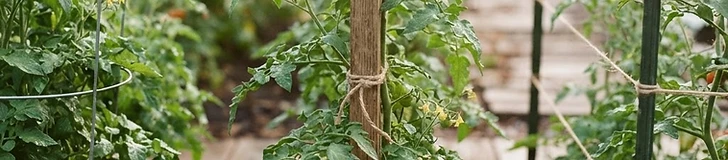
Choosing the right support system is essential for keeping your Solanum lycopersicum healthy and productive. Whether you have a small patio space or a large garden bed, providing structural support prevents diseases caused by fruit touching the soil and improves airflow around the foliage. This guide covers the three most common methods used by home gardeners across all USDA zones.
The Classic Stake Method The stake is the simplest support for determinate tomato varieties that reach a fixed height, usually 3 to 4 feet.
- Drive a sturdy wooden or metal stake 12 inches deep into the soil at planting time to avoid damaging roots later.
- As the plant grows, tie the main stem to the stake using soft garden twine or fabric strips.
- Ensure your ties are loose enough to prevent girdling the stem.
The Cage Approach A cage provides all-around support, making it ideal for heavier, indeterminate varieties that grow vigorously throughout the season. These wire cylinders allow the plant to grow through the openings, creating a self-supporting structure. If you live in an area with high winds or heavy rainfall, anchor the cage with landscape staples or rebar to prevent it from tipping over when the plant becomes top-heavy with fruit.
Pro tip: Use heavy-gauge wire cages rather than lightweight plastic ones, as the weight of a mature, fruit-laden tomato plant will cause flimsy structures to collapse under pressure.
The Florida Weave System The Florida Weave is a professional technique for long rows of tomatoes. It uses heavy-duty stakes and twine to sandwich plants between horizontal lines.
- Place a stake between every other plant in your row.
- Tie twine to the end stake and weave it in a figure-eight pattern, passing in front of one plant and behind the next.
- Pull the line taut and secure it to the last stake.
- Add new lines every 10 to 12 inches as the plants reach upward. Proper support significantly reduces the risk of fungal issues like blight, ensuring your harvest stays clean and delicious until the first frost.