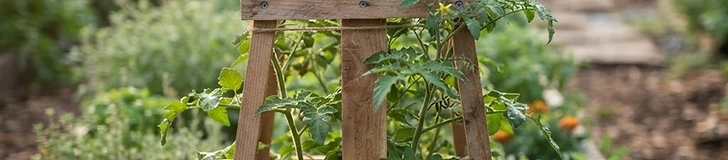
A close-up of a gardener attaching a tomato vine to a sturdy wooden trellis using green flexible garden twine in a sunlit raised bed.Garden DIY & Builds

Supporting Your Harvest: DIY Trellis Designs for Climbing Crops

2 min read 353 words

Learn how to build simple, effective supports for tomatoes, peas, and cucumbers to maximize your garden's vertical space and crop health.

Properly supporting your vining vegetables prevents rot, improves airflow, and makes harvesting a breeze. This guide focuses on building simple, reliable structures for your garden that keep heavy crops off the ground.

Choose Your Support Structure Selecting the right support depends on the plant variety and your garden space. For indeterminate tomatoes (Solanum lycopersicum), which can reach 6 to 8 feet in height, you need sturdy, permanent structures. For lighter climbers like snap peas or cucumbers, simple netting or twine works perfectly.

  1. A-Frame Trellises: Perfect for cucumbers and pole beans to hang downward for easy picking.
  2. Single Stakes: Best for individual tomato plants in small containers or tight spaces.
  3. String Trellis: An economical choice for greenhouse or high-tunnel gardening.

Materials for Stability Using the right materials ensures your trellis stands up to summer storms. Cedar and redwood are naturally rot-resistant, making them excellent choices for wood frames. For metal supports, look for 1/2-inch electrical conduit or rebar. Always sink your stakes at least 12 inches deep into the soil to prevent tipping under the weight of heavy fruits.

Pro-tip: When using twine for vertical trellising, always use a slip knot or a loose figure-eight loop around the main stem to allow for expansion as the plant grows, preventing damage to the vine.

Installation and Timing Install your trellises early in the spring, ideally before you transplant seedlings. Putting supports in place at planting time avoids damaging the root systems later in the season. For gardeners in USDA Zones 5–8, aim to have your structure secured by the time nighttime temperatures consistently stay above 55°F.

Maintenance and Training As your plants grow, guide them gently. Use soft, flexible garden ties to secure the main stems to your trellis every 12 inches. Check your connections throughout the season, as high winds can stress even the most well-built structures. Regularly inspect the trellis for signs of rust or wood rot to keep the system safe for future harvests. Start small this season, and you will see how vertical gardening transforms the health and productivity of your backyard plot.

Watch & learn

Curated variety-trial and pest-ID videos related to this article.

How to Build a Simple DIY Garden Trellis

Open

How to Prune and Support Tomato Plants

Open
#DIY#Tomatoes#Vertical Gardening#Trellis#Vegetables

More in Garden DIY & Builds

We use a couple of cookies to keep you signed in and remember your settings — no tracking ads, and we never sell your data. Read our privacy policy.