
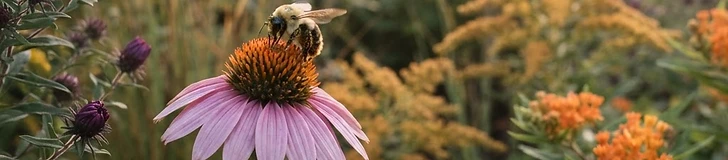
Choosing the right native plants is the most effective way to welcome pollinators into your yard. By selecting plants that evolved alongside local bees and butterflies, you provide essential food sources that non-native cultivars often lack. This guide helps you identify species that turn your garden into a local ecosystem hub.
Prioritize Local Natives
Plants native to your specific USDA Hardiness Zone are already adapted to local rainfall, soil conditions, and temperatures. When shopping, look for "straight species" rather than complex hybrids, which often have reduced nectar and pollen production. Aim for a mix of plants that bloom from early spring through late autumn to support pollinators during their entire active season.
Focus on Pollinator Needs
Different insects look for different floral shapes. Native wildflowers act as essential refueling stations:
- Bee Balm (Monarda didyma): Excellent for long-tongued bees and hummingbirds.
- Purple Coneflower (Echinacea purpurea): A favorite for many butterfly species.
- Milkweed (Asclepias syriaca): The critical host plant for Monarch butterfly larvae.
Pro tip: Avoid using synthetic pesticides entirely; even organic-labeled sprays can harm non-target beneficial insects, so focus on mechanical removal if pests become an issue.
Design for Success
Think about planting in "drifts" of at least 3 to 5 plants of the same species. Clump planting makes it easier for bees to spot high-quality forage from the air, saving them precious energy. Additionally, leave at least 6 to 12 inches of bare soil in sunny, undisturbed areas; many of our most effective native bees are ground-nesters that require this exposed ground to build their tunnels.
Maintenance Matters
Avoid aggressive fall cleanup. Many beneficial insects spend the winter inside hollow stems or leaf litter. By leaving stalks standing until temperatures consistently reach above 50°F in spring, you provide safe overwintering sites for solitary bees and lady beetles. Keep your garden slightly "messy" to ensure these hardworking guests return year after year.
Start small by replacing a patch of lawn with a native flower bed this season to see immediate results in your local pollinator population.