
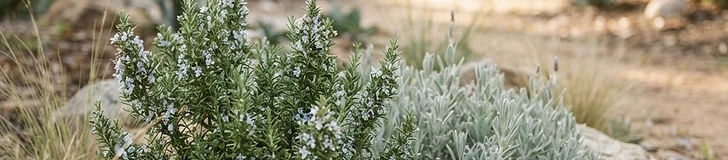
Mediterranean plants are nature's masters of water conservation, evolving over millennia to handle dry, hot summers and mild, wet winters. By selecting species adapted to these conditions, you can create a vibrant, low-maintenance garden that thrives in USDA zones 7–10 without the need for constant supplemental irrigation.
Understanding the Mediterranean Strategy
Plants from these climates often feature silver or gray foliage, which reflects harsh sunlight and helps keep the plant cool. Many also have thickened, waxy leaves or fine, needle-like textures to reduce water loss through transpiration. When choosing plants, look for varieties that are established in your local nursery as "drought-tolerant" once they have survived their first season in the ground.
Top Picks for Your Garden
Consider these hardy performers for your landscape:
- Lavandula angustifolia (English Lavender): Loves full sun and well-draining soil; perfect for zones 5–9.
- Rosmarinus officinalis (Rosemary): A woody, evergreen shrub that tolerates heat up to 100°F and adds edible fragrance.
- Salvia officinalis (Garden Sage): A tough, drought-resistant herb that thrives in rocky or sandy soils.
- Sedum varieties: These succulent groundcovers store water in their leaves, making them perfect for filling gaps between pavers.
For the best results, always apply a 2 to 3-inch layer of organic mulch or gravel around the base of your new plants to keep roots cool and suppress moisture-stealing weeds.
Soil and Drainage Essentials
Success with these species depends heavily on drainage. Even drought-loving plants will rot if their roots sit in heavy, waterlogged clay. If your garden soil is dense, mix in coarse sand or small gravel to improve airflow. Aim to plant in slightly elevated beds or mounds to ensure water drains away from the crown of the plant during heavier rains.
Watering for Establishment
While these plants are resilient once mature, they are not "plant and forget" immediately. Follow these steps for success:
- Water deeply once or twice a week during the first summer to encourage roots to grow deep into the soil.
- Gradually taper off frequency in the second year.
- By the third season, your garden should only require minimal water during extreme heatwaves.
Start small by replacing one thirsty lawn patch with a grouping of lavender and rosemary to witness the beauty of a water-wise garden firsthand.