
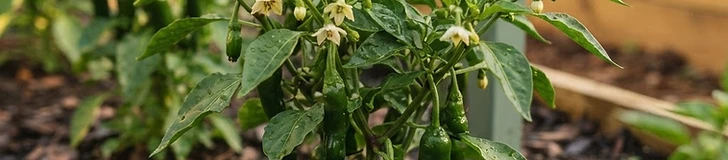
When summer temperatures consistently climb above 90°F during the day and stay above 75°F at night, pepper plants often enter survival mode, leading them to drop their blossoms. This physiological response prevents the plant from overextending its energy during extreme heat stress. You can minimize this loss by understanding how to buffer your plants against the mid-summer sun.
Managing Water Consistency
Proper hydration is your first line of defense. Peppers crave even moisture, but heat causes rapid evaporation. During a heat wave, your plants may need daily watering. Aim to keep the soil consistently damp, about 2 inches deep. Avoid light daily sprinklings; instead, provide a deep soak that encourages roots to grow downward where the soil remains cooler.
Applying Protective Mulch
Using organic mulch acts as insulation for your garden beds. By spreading 2 to 3 inches of straw, shredded leaves, or wood chips around the base of your Capsicum plants, you keep the soil surface cool and prevent moisture from evaporating too quickly. This simple layer keeps root temperatures stable, which is critical for flower retention.
If you notice your leaves wilting by midday, avoid the urge to immediately drench them; wait until the late afternoon, as watering during the peak heat of the day can cause unnecessary humidity stress and potential fungal issues.
Providing Tactical Shade
If you live in USDA zones 8 through 11, the intensity of the sun can be brutal. Installing shade cloth with a 30% to 40% light transmission rating can make a significant difference. Drape the fabric over simple hoops or stakes during the hottest two weeks of summer. This filter reduces the heat load on the plant without starving it of the light required for photosynthesis.
Improving Air Circulation
High heat pockets often form in poorly ventilated areas of the garden, such as against south-facing brick walls or near dense fences. Ensure your plants have adequate spacing—ideally 18 to 24 inches apart—to allow air to move freely around the foliage. Better airflow helps cool the plant naturally and reduces the ambient temperature around the delicate flowers.
Keep a close watch on the forecast and prepare your shade and mulch early to help your peppers sail through the heat of summer.