
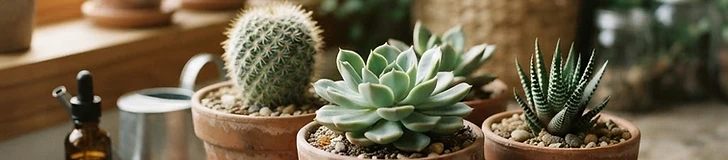
Succulents are rewarding plants, but they require a different approach than typical houseplants. This guide covers the essential techniques to help you grow healthy, vibrant specimens in your home garden.
Perfect Lighting
Most succulents, such as Echeveria or Sedum, crave bright, indirect light. If you live in USDA zones 9–11, many varieties can handle full sun outdoors. However, indoors, place them on a south-facing windowsill where they receive at least 6 hours of bright light daily. If your plant begins to stretch or lean, it is a sign of 'etiolation'—your succulent is reaching for more light.
The Right Soil
Standard potting soil is often too dense and retains too much moisture for desert-native plants. To prevent root rot, use a specialized cactus and succulent mix. You can also improve drainage by mixing regular potting soil with 30% perlite or pumice. Always ensure your container has at least one drainage hole at the bottom to allow excess water to escape.
Watering Cadence
Beginners often struggle with the 'soak and dry' method. Instead of watering on a calendar schedule, check the soil moisture. Stick your finger two inches into the pot; if it feels dry, it is time to water. Pour water until it runs out of the drainage hole, then allow the plant to sit until the soil is completely bone-dry again.
Pro Tip: If your succulent’s leaves begin to shrivel slightly, it is asking for a drink; if they turn translucent or mushy, you are likely overwatering.
Seasonal Adjustments
Keep an eye on temperature fluctuations. Succulents generally prefer temperatures between 65°F and 80°F. If you garden in colder regions, bring your outdoor containers inside before the first frost, as most common succulents are not frost-hardy and will collapse if temperatures drop below 40°F.
- Use terracotta pots for better breathability.
- Avoid misting, as it can encourage fungal issues on the foliage.
- Remove dead or dying leaves at the base to prevent pests.
Following these simple environmental adjustments will ensure your succulent collection stays healthy and structurally sound year-round.