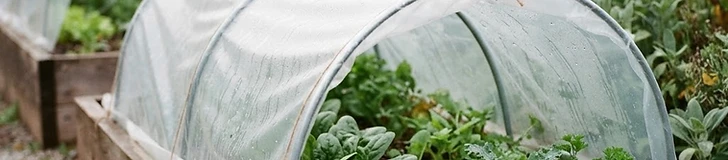
A close-up of a raised garden bed covered by a clear plastic hoop tunnel in an autumn garden with blurred trees in the background.Raised Beds

Stretch Your Harvest: Mastering Low Tunnels for Raised Beds

2 min read 379 words

Learn how to use simple covers and low tunnels to protect your crops, extend your growing season, and harvest fresh greens well into the chilly months.

By protecting your raised beds from frost and wind, you can effectively add weeks to your gardening season on both ends of the calendar. This guide covers how to set up simple low tunnels to transform your garden into a productive microclimate.

Selecting Your Materials Using a low tunnel is the most efficient way to keep plants warm during unpredictable spring or autumn weather. You will need flexible hoops, such as PVC piping or heavy-gauge wire, and a cover material. Choose a lightweight row cover (frost blanket) for mild cold, or clear 4-mil greenhouse plastic if you need to trap heat for winter crops like Spinacia oleracea (spinach).

Installing the Hoops Space your hoops every 2 to 3 feet along the length of your raised bed. Secure them firmly by pushing the ends into the soil or attaching them to the interior of your bed frame with pipe clamps. Ensure your hoops are tall enough so that the center of the arch is at least 12 to 18 inches above the highest mature foliage of your crops to prevent leaves from touching the cold fabric.

Tip: Always leave the ends of your tunnel open during sunny days if temperatures climb above 50°F to prevent overheating and to allow for essential pollinator access.

Managing Ventilation and Moisture Once your cover is installed, ventilation becomes your primary task. On warm days, the air trapped inside can heat up quickly, potentially damaging sensitive seedlings. Pull the fabric back partially during the midday hours to vent excess moisture and heat. Keeping the cover secure with heavy rocks or landscape staples ensures that high winds in USDA zones with volatile autumn patterns do not blow your protection away.

Timing Your Plantings With a tunnel in place, you can plant cold-hardy vegetables earlier in the spring and harvest late into the winter. Focus on crops like Brassica rapa (bok choy) and Daucus carota (carrots), which thrive when shielded from freezing winds. Aim to get these starts in the ground about 4 to 6 weeks before your average first frost date to ensure they are well-established before the deepest cold settles in. A well-managed low tunnel is a game-changer for any gardener looking to enjoy home-grown produce throughout the entire year.

Watch & learn

Curated variety-trial and pest-ID videos related to this article.

How to Build a Simple Low Tunnel for Your Garden

Open

Extending the Season with Garden Row Covers

Open
#raised beds#season extension#winter gardening#frost protection#diy gardening

More in Raised Beds

We use a couple of cookies to keep you signed in and remember your settings — no tracking ads, and we never sell your data. Read our privacy policy.