
Growing your own strawberries (Fragaria x ananassa) provides a sweet reward that store-bought berries simply cannot match. This guide covers how to set out new starts and renovate existing beds to keep your harvest abundant across USDA zones 3 through 10.
Planting New Starts Timing is everything when setting out bare-root or potted strawberry plants. In colder climates, aim for early spring as soon as the soil can be worked. In warmer regions (zones 7-10), fall planting is often preferred to allow roots to establish before summer heat.
- Choose a site with at least 8 hours of full sun.
- Prepare soil by mixing in 2-3 inches of organic compost.
- Set plants so the crown (where roots meet stems) is exactly level with the soil line; burying it too deep causes rot, while planting too shallow leads to drying out.
- Space plants 12-18 inches apart in rows.
Managing Bed Health Strawberries are perennial, but their productivity drops after 3-4 years. To maintain vigor, you must manage "runners," which are the horizontal stems the plant sends out to create clones.
For the largest, sweetest fruit, prune away most runners during the first year so the parent plant can focus its energy on fruit production rather than propagation.
Renovation for Longevity Once your harvest concludes in late spring or summer, it is time to renovate. This process keeps beds from becoming overcrowded and prevents disease buildup.
- Mow or clip the strawberry foliage down to 2-3 inches above the crowns after the final harvest of the season.
- Remove any dead debris and weeds to improve airflow.
- Apply a thin layer of compost around the crowns to encourage fresh growth.
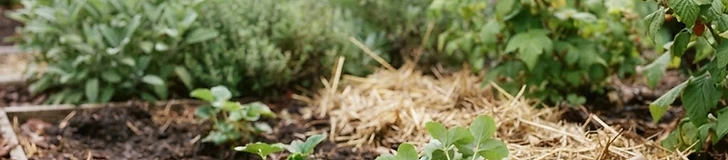
- If plants have become thick and matted, thin the patch by removing older, woody plants to ensure at least 6 inches of space between healthy crowns. Regularly removing weeds and keeping the soil mulched with clean straw will suppress diseases like gray mold and keep your berries off the damp ground. With a little consistent care, your patch will reward you with delicious harvests every single spring.