
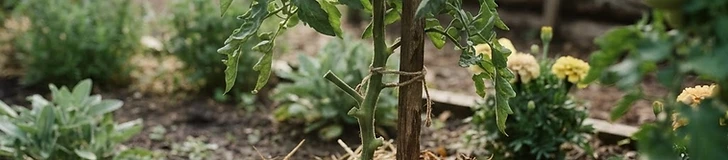
Early blight, caused by the fungus Alternaria solani, is a persistent challenge for home gardeners. By managing your garden layout and soil health, you can effectively prevent this pathogen from taking hold and damaging your harvest.
The Power of Spacing
Proper air circulation is your first line of defense. Fungal spores thrive in the stagnant, humid air trapped between crowded plants. When planting your tomatoes, ensure a minimum of 24 to 36 inches of space between each plant. This distance allows wind to dry the foliage quickly after rainfall or dew, preventing the moist conditions that spores need to germinate.
Strategic Mulching
The soil is often the primary reservoir for blight spores. When heavy rain hits the ground, it splashes soil—and fungal spores—onto the lower leaves. Applying a 2-inch layer of organic mulch, such as straw, shredded leaves, or untreated grass clippings, creates a protective barrier. This stops the splashing effect and helps maintain consistent soil moisture levels, which keeps the plants less stressed and more resistant to disease.
Always remove the bottom 12 inches of leaves from your tomato plants once they reach maturity to ensure zero contact between the foliage and the soil.
Disciplined Crop Rotation
Never plant members of the Solanaceae family, including tomatoes, peppers, potatoes, and eggplants, in the same spot more than once every three years. Fungal spores can survive in the soil for several seasons. Crop rotation acts as a reset button, depriving the pathogen of its preferred host and breaking the disease cycle effectively.
Watering Habits
How you hydrate your plants matters as much as where you plant them. Always water at the base of the plant using a soaker hose or drip irrigation. Avoid overhead watering with a sprinkler, which mimics rainfall and encourages the spread of spores from the soil onto the stems and leaves. Aim to water in the early morning so that any accidental droplets on the foliage evaporate rapidly in the rising sun.
Consistent attention to these cultural practices will keep your tomatoes thriving and largely free from early blight throughout the growing season.