
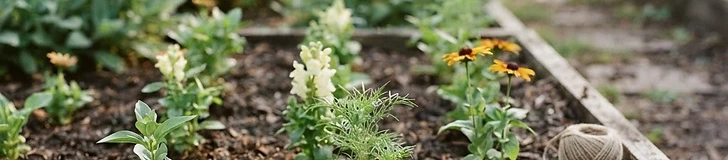
Creating a personal cutting garden allows you to harvest fresh, long-lasting blooms all season long. By mastering the fundamentals of site selection and plant placement, you can turn a small plot into a productive floral oasis tailored to your home garden.
Choose Your Sun Exposure
Most productive cut flowers, such as Zinnia elegans and Helianthus annuus (sunflowers), require full sun to produce strong stems and vibrant colors. Aim for a location that receives at least 6 to 8 hours of direct sunlight daily. If your garden has partial shade, focus on foliage-heavy fillers like Heuchera or shade-tolerant varieties like Digitalis purpurea.
Prepare Your Soil
Healthy stems start underground. Most annual flowers thrive in well-draining soil with high organic content. Before planting, test your soil pH; most cut flowers prefer a slightly acidic to neutral range of 6.0 to 7. 0. Work 2 to 3 inches of high-quality compost into the top 6 inches of your garden bed to ensure adequate nutrients and moisture retention. If your soil is heavy clay, consider building raised beds to prevent root rot during wet spring months.
Master Spacing Strategies
Proper spacing is critical for airflow, which prevents fungal diseases like powdery mildew. Beginners often crowd their plants, leading to weak stems. Follow these spacing guidelines:
- Small annuals: 6 to 9 inches apart.
- Medium perennials: 12 to 18 inches apart.
- Large, bushy varieties: 24+ inches apart.
Always pinch the central stem of your annual flowers when they reach 8 to 12 inches tall; this simple act forces the plant to branch out, resulting in twice as many stems for your future bouquets.
Planting for Success
Wait until all danger of frost has passed in your USDA zone—usually once nighttime temperatures remain consistently above 50°F. When transplanting, ensure the root ball is level with the soil surface. Watering at the base of the plant, rather than overhead, keeps foliage dry and significantly reduces the risk of leaf spot diseases throughout the humid summer growing season.
Start small with a handful of reliable varieties this year and watch your garden flourish into a beautiful, productive space.