


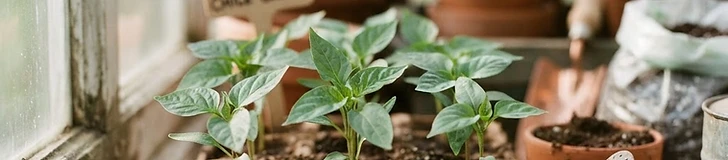
Growing your own peppers from seed is the best way to access unique varieties while ensuring you have healthy, disease-free plants. By starting indoors 8 to 10 weeks before your final frost date, you give these heat-loving crops the head start they need to thrive in your USDA zone.
Timing and Sowing Peppers are slow growers that demand consistent warmth to germinate. Use a high-quality seed-starting mix in clean trays.
- Fill cell trays and moisten the soil until it feels like a wrung-out sponge.
- Sow seeds 1/4 inch deep and cover lightly with vermiculite or mix.
- Place the tray on a heat mat set to 80°F to ensure rapid, uniform germination.
Light and Temperature Once seedlings emerge, they need intense, direct light to prevent them from becoming thin and leggy. Without it, your plants will be weak and prone to snapping.
- Position your grow lights 2 to 3 inches above the tops of the seedlings.
- Keep lights on for 14 to 16 hours daily.
- Maintain daytime air temperatures around 70°F to 75°F for optimal development.
To keep seedlings sturdy, place a small oscillating fan near them to simulate a gentle breeze; this physical stimulation thickens stems and improves overall plant vigor.
Potting Up and Hardening Off As plants grow, they may outgrow their starting cells. When two sets of true leaves appear, transplant them into larger 4-inch containers using a standard potting mix. This encourages a deep, robust root system. Before moving them outside, you must introduce them to the elements.
- Start the process 2 weeks before your intended planting date.
- Set plants in a protected, shaded spot for an hour on the first day.
- Gradually increase exposure to direct sun and wind over 7 to 10 days.
- Once plants are fully acclimated and your soil temperature is consistently above 65°F, it is finally time to plant them in your garden beds. Consistent moisture and patience during these first few weeks will reward you with productive, high-yielding pepper plants come harvest time.