
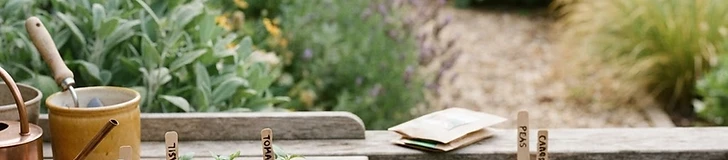
Choosing how to start your seeds is one of the most critical decisions you will make as a gardener, directly impacting your harvest timing and plant health. While the idea of starting everything under bright lights in February is tempting, not every plant thrives with that extra attention. Understanding which seeds prefer the cradle of an indoor nursery and which crave the open soil of your garden bed is the secret to a lower-maintenance, high-yield growing season.
The Case for Direct Sowing
Direct sowing means placing your seeds directly into the garden soil once the weather is appropriate. This is the most natural way for many plants, especially those that grow quickly or resent having their roots disturbed during transplanting. Root crops like carrots, radishes, and parsnips are absolute masters of this method. Because they produce a taproot, moving them from a small pot to the ground usually stunts their growth or causes them to fork into strange, unusable shapes. Other crops, such as beans, peas, squash, and sunflowers, have massive, fast-growing seeds that germinate aggressively and dislike being held back in small containers. If you live in a region with a long growing season, you can direct sow almost everything. In cooler USDA zones, however, you must time your direct sowing carefully to account for the last frost date, ensuring the soil has warmed sufficiently—usually to at least 60°F for warm-season vegetables.
Why Start Indoors?
Starting seeds indoors is a strategic move, particularly for gardeners in regions with shorter growing seasons or those who want to harvest earlier than their neighbors. Indoor starting allows you to control the environment completely. By using heat mats and supplemental grow lights, you can trick heat-loving plants like peppers, tomatoes, and eggplants into thinking it is already mid-summer, even while snow is still falling outside. These plants have a long "days to maturity" count, meaning if you waited to direct sow them in late spring, they might not finish ripening before the first autumn frost hits. Starting them indoors gives them a 6-to-8-week head start, ensuring a bumper crop before the season turns cold.
The Transplanting Challenge
There is a catch to starting indoors: the transition. Moving a plant from a climate-controlled, gentle indoor environment to the harsh reality of wind, direct UV sunlight, and temperature swings is traumatic for a tender seedling. This is why "hardening off" is a mandatory step. Over the course of seven to ten days, you must gradually introduce your seedlings to the outdoors for increasing periods each day. Failure to do this often results in transplant shock, where the plant stops growing for several weeks as it recovers, effectively negating any benefit you gained from starting early. If you do not have the time or space to manage this transition, direct sowing is almost always the better, more stress-free choice.
Identifying Your Needs
To decide, look at the back of your seed packet for the "days to maturity" and the specific sowing instructions. If a packet says "direct sow only," follow that advice closely. These plants typically have fragile root systems. If you see a recommendation to start indoors, calculate your local last frost date. If you have fewer than 100 frost-free days in your area, starting long-season crops like peppers or celery indoors is likely non-negotiable. For everything else, consider your own lifestyle. If you enjoy the daily ritual of misting trays and monitoring light levels, indoor starting is a rewarding hobby. If you prefer a simpler approach that aligns with the natural rhythms of your backyard, direct sowing is your best friend.
Practical Tips
- Check your USDA hardiness zone and look up your specific average last frost date online before planning your seed starting schedule.
- Use a soil thermometer to ensure the ground is at least 65°F before planting warm-season crops like cucumbers or beans directly outdoors.
- When direct sowing, mark your rows with labels immediately; it is incredibly easy to accidentally weed out your precious vegetable sprouts, mistaking them for common garden weeds.
- If starting indoors, use a dedicated seed-starting mix rather than garden soil to prevent disease and ensure proper drainage for fragile, newly sprouted roots.
- Always keep a garden journal to record the dates you started your seeds; this becomes your most valuable reference for next year's planning.
Quick Takeaway
Choose indoor starting to extend a short growing season for long-term crops, and stick to direct sowing for root vegetables, fast-growing legumes, and larger-seeded varieties to avoid transplant shock.