
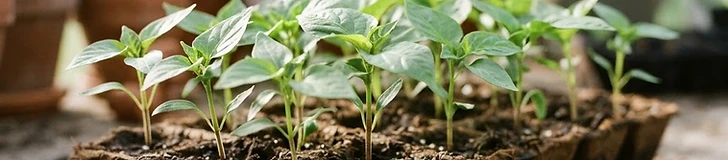
Growing peppers like Capsicum annuum from seed gives you access to unique varieties not found at local nurseries. By starting indoors 8 to 10 weeks before your last spring frost date, you ensure a long, productive season.
Timing and Preparation
To succeed, timing is everything. Peppers are tropical perennials treated as annuals in the US. They require warm soil to germinate and steady growth to thrive. Start your seeds in sterile seed-starting mix using deep cell trays to allow for strong root development. Aim for an indoor room temperature of 75°F to 80°F to trigger quick germination.
Creating Ideal Conditions
Once seedlings emerge, light becomes the most critical factor. Place your trays directly under high-output LED grow lights, keeping the lamps just 2 to 3 inches above the canopy. If your seedlings look leggy or pale, they are desperate for more intensity. Use a small oscillating fan to provide gentle airflow, which strengthens the stems and prevents damping-off disease.
Managing Growth
Pro tip: Pepper roots grow best when the soil is warm; use a heat mat to keep the root zone around 80°F until the first set of true leaves appears.
As the plants grow, potting up into 4-inch containers ensures the roots stay vibrant. If you notice the leaves yellowing slightly, use a liquid organic fertilizer diluted to half-strength. Consistently moist soil—not soggy—is the goal to prevent stress.
Hardening Off
Before moving plants into the garden, acclimation is essential to prevent transplant shock. About two weeks before your last frost, begin moving plants outdoors for a few hours daily, gradually increasing their exposure to direct sunlight and wind over a 10-day period. Ensure your soil has warmed to at least 65°F before planting them in their permanent home, as cold ground will cause peppers to sit stagnant for weeks.
With patience and the right environment, you will have healthy, vigorous transplants ready to produce a heavy harvest by mid-summer.