
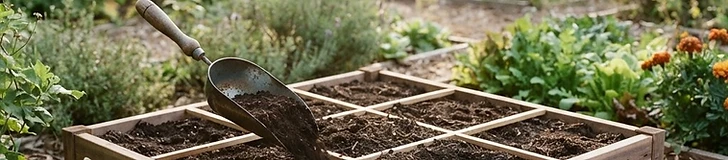
Creating a compact garden space is simple when you use the square-foot method. This approach maximizes limited garden real estate by organizing your crops into a precise, high-density grid. You will learn how to build a simple wooden frame and the ideal soil blend to ensure your vegetables thrive.
Frame Construction
To start, construct a 4x4-foot wooden box using cedar or untreated pine boards that are at least 10 inches tall. Cedar is naturally rot-resistant, making it a great choice for US climates. Place your frame on a level area with full sun, ideally where your local USDA zone provides at least 6–8 hours of sunlight daily. Use a landscape fabric or cardboard base to suppress weeds before filling.
Perfect Soil Blend
The secret to success in raised beds is potting mix, not native garden dirt. Avoid heavy clay or sandy topsoil, which compacts easily in containers. Instead, create a nutrient-dense foundation by mixing:
- 1/3 high-quality compost for essential nutrients.
- 1/3 peat moss or coconut coir to retain moisture.
- 1/3 coarse vermiculite to improve aeration and drainage.
Tip: Before planting, create a physical grid on top of your soil using twine or wood strips to clearly mark your 12-inch squares, making it much easier to visualize plant spacing.
Managing Your Grid
Once your bed is prepped, use spacing rules to determine how many plants fit per square. For example, large plants like Solanum lycopersicum (tomato) take a full square, while smaller crops like Raphanus sativus (radish) allow for up to 16 plants per square. Always check the seed packet for the recommended distance and divide it by the square-foot grid.
Watering and Maintenance
Because raised beds drain faster than ground soil, check your moisture levels daily during peak summer heat when temperatures exceed 80°F. Mulching the surface with straw helps prevent evaporation and keeps the soil temperature stable for delicate root systems. Aim to keep the top two inches of soil consistently damp to ensure steady growth through the season.
Start your garden journey today by building one manageable 4x4 box to test your green thumb.