

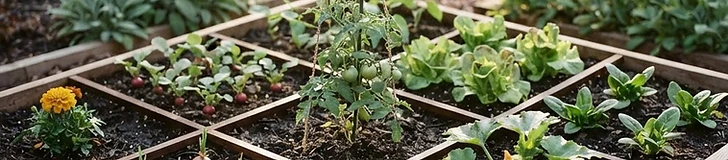
Square-foot gardening is an efficient method designed to maximize yields in small spaces by dividing garden beds into a grid of one-foot sections. By focusing on intensive planting rather than traditional long rows, you can grow more food with less effort while effectively managing weeds and water usage.
The Grid System At the heart of this method is the grid, which helps you visualize your garden as a series of small, manageable units. You can construct a physical grid using wood laths, strings, or even PVC pipe to overlay your raised beds. For a standard 4x4 foot bed, you end up with 16 individual squares. This structure eliminates the need for walking paths between rows, which saves space and prevents soil compaction.
Mel's Mix Soil Essentials Success in small spaces relies on soil quality. The classic recipe, often called Mel's Mix, consists of one-third blended compost, one-third peat moss or coconut coir, and one-third coarse vermiculite. This combination ensures perfect drainage while holding enough moisture to support high-density planting. Because you are growing more plants per square foot than in a traditional garden, you must provide this nutrient-dense medium to keep them thriving throughout the growing season.
Always test your soil temperature before planting; most summer vegetables like tomatoes and peppers require soil that has warmed to at least 60°F to establish strong roots.
Spacing Your Plants Every plant has a specific spacing requirement based on its size at maturity. Using the grid, follow these guidelines to maximize your output:
- Large plants (one per square): Solanum lycopersicum (tomato) or bell peppers.
- Medium plants (four per square): Leaf lettuce or bush beans.
- Small plants (nine per square): Spinach or beets.
- Tiny plants (sixteen per square): Carrots or radishes.