
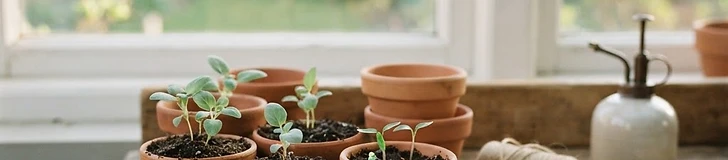
Spring is the season of renewal, but for home gardeners, success is built on careful preparation and timing. This guide covers how to jumpstart your growing season by starting seeds indoors and prepping your beds before the soil warms. ## Timing Your Indoor Sowing Indoor seed starting allows you to extend your growing season by giving plants like Solanum lycopersicum (tomatoes) and Capsicum annuum (peppers) a head start before the threat of frost passes. Check your local USDA frost dates to calculate your schedule. Aim to start your seeds about 6 to 8 weeks before your area’s average last frost date. Use a high-quality, sterile seed-starting mix in trays with drainage holes to prevent fungal issues. ## Creating the Ideal Environment Successful germination requires more than just water and soil. Seeds need warmth to sprout and consistent light once they emerge. Keep your seed trays on a heat mat set to approximately 70°F to 75°F to encourage steady growth. Once the green shoots push through the soil, move them directly under LED grow lights. Keep the lights positioned about 2 to 3 inches above the tops of the seedlings to prevent them from becoming leggy or weak. > Always label your trays immediately after sowing with the plant variety and the date, because tiny sprouts can be surprisingly difficult to identify later on. ## Preparing Outdoor Beds As the ground thaws, focus on your soil preparation. If you are gardening in USDA zones 5 through 8, the soil may be workable by early spring. Remove any lingering weeds or debris from last season. Gently loosen the top 6 to 8 inches of soil using a broadfork or a sturdy garden fork, taking care not to disturb the existing soil structure too deeply. Incorporate an inch or two of high-quality organic compost to replenish nutrients that were depleted during the previous harvest. ## The Harden-Off Process Before transplanting your indoor-grown seedlings into the ground, they must be acclimatized to the harsh realities of the outdoors. This process, known as hardening off, gradually exposes your plants to direct sunlight, wind, and temperature fluctuations. 1. Start by placing your trays in a shaded, sheltered spot for an hour on the first day. 2. Gradually increase their time outside and their exposure to direct sun over a period of 7 to 10 days. 3. Bring them indoors at night if temperatures are expected to drop below 50°F. Patience during this final phase ensures your plants survive the transition into the garden.
 Seasonal Growing
Spring Launch: Indoor Sowing and Garden Preparation
2 min read 417 words
Get a head start on your garden by mastering indoor seed starting and prepping your soil for the busy spring season ahead.
Watch & learn
Curated variety-trial and pest-ID videos related to this article.
#seed starting#spring gardening#vegetable gardening#soil preparation