
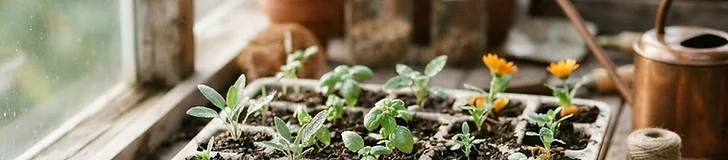
As the frost begins to retreat and the days grow longer, the urge to get your hands back into the soil becomes undeniable. For the home gardener, spring is a time of anticipation and strategic planning. Whether you are a seasoned pro or picking up your first trowel, success in the garden is built on a solid foundation of preparation. This guide will walk you through the essential steps to prepare for a bountiful harvest, from the controlled environment of your windowsill to the variable conditions of your outdoor garden beds. ## Understanding Your Planting Window Before you sow a single seed, you must understand your local climate. In the United States, we rely on the USDA Plant Hardiness Zone Map to determine our last expected frost date. This date is the most critical piece of information for any gardener. Starting seeds too early leads to leggy, weak plants, while planting outdoors too early risks catastrophic loss to a late freeze. Check your local extension office website to find the average last frost date for your specific zip code. Once you have that date, work backward to determine when to start your seeds indoors. Most seed packets provide clear guidance on this, typically suggesting 'start 6-8 weeks before the last frost.' ## Setting Up Your Indoor Nursery Starting seeds indoors gives you a significant head start, especially for crops with a long growing season like tomatoes, peppers, and eggplants. You do not need a fancy greenhouse to succeed. A sunny south-facing window is a good start, but supplemental light is usually necessary to prevent seedlings from stretching toward the light and becoming frail. A simple shop light equipped with full-spectrum LED bulbs positioned two to three inches above the tops of the seedlings works wonders. Use a sterile seed-starting mix rather than garden soil, which can harbor pests or fungal diseases that can decimate young seedlings. Ensure your trays have drainage holes, as overwatering is the most common cause of seedling failure. ## The Art of Hardening Off Transitioning your pampered indoor plants to the harsh, unpredictable conditions of the outdoor world is a process known as hardening off. Skipping this step is the fastest way to kill your seedlings. About two weeks before you plan to transplant them into the garden, begin moving your seedlings outside for a few hours each day. Start with a shady, sheltered spot protected from direct wind. Gradually increase their exposure to sunlight and outdoor temperatures over the course of 7 to 10 days. By the end of this period, your plants should be strong enough to withstand the full sun and breezes of your garden. ## Preparing Your Outdoor Beds While your seeds are germinating, turn your attention to the garden beds themselves. Spring soil is often heavy and cold. Do not work the soil while it is soaking wet; if you squeeze a handful and it forms a sticky ball that stays together, it is too wet to till or dig. Working wet soil destroys its structure and creates dense clods that are difficult for delicate roots to penetrate. Once the soil has dried out to a crumbly consistency, add a generous layer of compost to replenish nutrients depleted by the previous season. Avoid excessive tilling; instead, gently work the compost into the top few inches of the soil to feed the soil microbes and improve aeration. ## Practical tips * Use a heat mat under seed trays to speed up germination for heat-loving crops like peppers. * Label every single tray with the variety and the date sown; memory is not as reliable as you think. * Invest in a watering can with a gentle rose attachment to avoid washing seeds out of their cells. * If your seedlings appear pale green, they are likely not getting enough light; adjust your light source closer to the plants. * Water your seedlings from the bottom by placing trays in a shallow basin of water to encourage strong, deep root growth. * Monitor for pests like fungus gnats indoors; using a fan to increase airflow can significantly reduce their population. ## Quick takeaway Start seeds based on your specific USDA frost date, prioritize light and drainage indoors, and slowly acclimate plants to the outdoors before transplanting.
 Seasonal Growing
Spring Awakening: Your Essential Guide to Seed Starting and Planting
4 min read 713 words
Get ready for the growing season with this comprehensive checklist for starting seeds indoors and planning your first outdoor planting in the US garden.
#gardening#spring planting#seed starting#vegetable garden#seasonal growing