A close-up of a person's hands planting a small native wildflower plug into healthy garden soil, with a metal trowel resting nearby.Native Plants & Rewilding

Sourcing Native Plants: A Guide to Building Your Ethical Garden

2 min read 351 words

Learn how to ethically source native plants and seeds for your garden while supporting local ecosystems and biodiversity in your region.

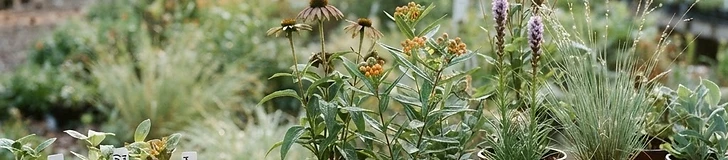
Bringing native plants into your landscape is one of the most effective ways to support local pollinators and birds. This guide covers how to find high-quality, ethically sourced plants for your specific USDA hardiness zone.

Finding Local Nurseries The best places to start are specialized native plant nurseries that focus on local ecotypes. Unlike big-box garden centers, these nurseries often source seeds from within your immediate ecoregion, which means the plants are genetically adapted to your specific climate, whether you are dealing with hot 95°F summers or wet winters. When shopping, always ask if the nursery uses neonicotinoid pesticides, which can harm the very bees you are trying to attract.

Identifying Ethical Seed Sources When you prefer to start from seed, seed provenance matters. Look for vendors who clearly state where the seeds were collected. Avoid generic "wildflower mixes" found in hardware stores; these often contain non-native species or aggressive weeds. Instead, prioritize regional native seed companies that provide detailed information about the original collection site.

Tip: When collecting seeds from the wild, only take a small portion—never more than 10% of a population—and ensure you are on land where foraging is legally permitted.

Understanding Plant Labels and Terminology Distinguishing between native plants and nativars is vital for your garden's ecological impact. A nativar is a plant that has been bred for specific aesthetic traits, such as petal color or size. While they may still offer some nectar, these modifications can sometimes make pollen less accessible to insects. Aim for "straight species" whenever possible to provide the most robust ecological benefit.

Establishing Your Native Patch Whether buying plugs or mature pots, prepare your site by clearing non-native turf grass. For plants that prefer dry, sandy soil, ensure you have at least 12 inches of depth for root establishment. Always check the light requirements—full sun means at least 6 hours of direct rays—to ensure your new plants thrive rather than just survive. By choosing plants that have evolved alongside your local wildlife, you are creating a resilient, low-maintenance haven that celebrates the unique beauty of your region.

Watch & learn

Curated variety-trial and pest-ID videos related to this article.

How to Start a Native Plant Garden

Open
#Native Plants#Gardening Tips#Sustainability#Pollinators

More in Native Plants & Rewilding

We use a couple of cookies to keep you signed in and remember your settings — no tracking ads, and we never sell your data. Read our privacy policy.