
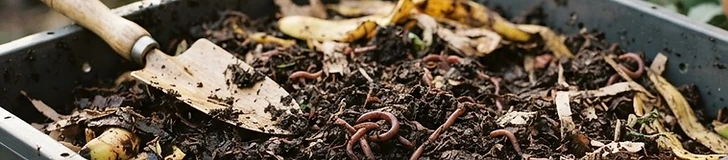
Even the most diligent worm farmers run into occasional issues. Keeping your bin in balance ensures your Eisenia fetida population stays healthy and productive year-round. This guide will help you identify the root causes of common problems and restore your system to optimal health.
Managing Moisture Levels If your bin is too wet, it becomes anaerobic and prone to foul odors. Ideally, your bedding should feel like a wrung-out sponge. If you notice standing water at the bottom, your bin is waterlogged. To fix this:
- Add a thick layer of dry, shredded cardboard or newspaper to absorb excess liquid.
- Ensure your drainage holes are not clogged with debris.
- Increase ventilation by drilling small holes (1/8 inch) near the top rim of the bin.
Dealing with Fruit Flies Tiny fruit flies are a nuisance that often points to exposed food. Keep your worms happy and the pests away by burying your kitchen scraps at least 2 inches deep beneath the surface bedding. Leaving food on top acts as a beacon for insects.
Pro-tip: If you already have a fruit fly outbreak, place a small bowl of apple cider vinegar with a drop of dish soap near the bin to trap the adults while you focus on burying your scraps deeper.
Correcting Foul Odors A healthy worm bin should smell like fresh, earthy forest soil. If you detect a pungent, sour, or rotting scent, your bin is likely overfed or lacks airflow. Worms cannot process food as fast as some households generate it, leading to rot. To remedy this:
- Stop adding new food scraps for at least 7 to 10 days.
- Gently fluff the bedding with a hand trowel to increase oxygen circulation.
- Check that your bin temperature remains between 55°F and 77°F, which is the comfort zone for most composting species.