
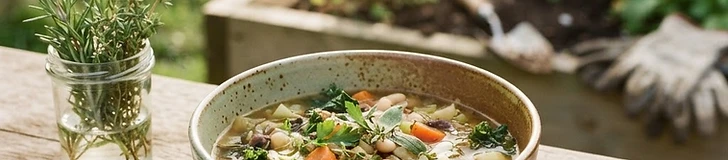
Harvesting your own vegetables provides the freshest foundation for healthy, nutrient-dense soups. This guide will help you transform your seasonal bounty into comforting meals using simple, kitchen-friendly methods.
Selecting Your Base
The heart of any great soup starts with flavorful aromatics. For USDA Zones 3–9, you can rely on home-grown onions, garlic, and leeks as your foundation. If you are growing Allium cepa (onions) or Allium sativum (garlic), harvest them once the tops begin to yellow. Finely chopping these and sautéing them in a small amount of olive oil until translucent will release the essential sugars needed to balance the earthy notes of your garden roots.
Incorporating Root Vegetables
Most root vegetables, such as carrots, parsnips, and beets, store energy in the form of complex carbohydrates. To prepare these for soup:
- Scrub the skins thoroughly to retain nutrients.
- Dice them into uniform 1/2-inch cubes to ensure even cooking.
- Add harder roots to the pot at least 20 minutes before leafy greens to ensure they become fork-tender.
Pro-tip: Roast your root vegetables at 400°F for 20 minutes before adding them to your soup base to caramelize their natural sugars and create a deeper, richer flavor profile.
Maximizing Green Nutrients
Leafy greens like kale, chard, or spinach are nutritional powerhouses. To preserve their vibrant color and vitamin content, add them during the final 3–5 minutes of simmering. Overcooking Spinacia oleracea or Brassica oleracea causes them to turn grey and lose their texture. By adding them last, you keep a pleasant bite and ensure you are getting the full spectrum of micronutrients available from your garden soil.
Balancing Texture and Consistency
You do not need heavy cream to achieve a creamy texture. Try these garden-friendly thickeners:
- Pureed beans or lentils for added protein and body.
- A small portion of boiled potatoes, which can be mashed directly into the broth.
- Blending a portion of your cooked vegetables with a handheld immersion blender to thicken the soup naturally without additives.
Experimenting with your harvest allows you to enjoy the changing seasons one bowl at a time, keeping your garden connection strong even during the colder months.