
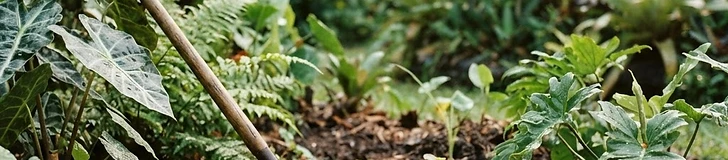
Building healthy garden soil in humid, tropical climates requires a shift in strategy. While temperate gardens thrive on consistent organic additions, the intense heat and heavy rainfall of USDA zones 10 and 11 often break down organic matter at lightning speed, frequently leaching nutrients before plants can absorb them. This guide will help you create a robust soil foundation that persists through the wettest seasons.
Prioritize Soil Structure
In tropical environments, clay-heavy soils often face drainage issues, while sandy soils lose nutrients rapidly. To manage this, focus on adding structure through high-quality finished compost. Rather than tilling, which can disrupt delicate soil biology, apply a 2-inch layer of compost as a top dressing. This feeds the soil food web, which acts as the "glue" that holds your garden together during heavy downpours.
The Role of Mulching
Organic mulch is your most important tool for preventing soil erosion. Without cover, heavy rain compacts soil and exposes roots. Use coarse materials like wood chips, sugar cane mulch, or dried palm fronds rather than fine, dust-like materials that can become anaerobic or soggy.
Pro Tip: Always maintain a 2-inch gap between your mulch and the base of plant stems to prevent crown rot and fungal diseases common in high-humidity zones.
Manage Nutrients with Care
Because rain often washes away synthetic fertilizers, slow-release organic fertilizers are superior. These options, such as pelleted chicken manure or rock phosphate, break down based on soil temperature and microbial activity rather than water volume. Incorporate these into your top layer of soil twice a year—once before the rainy season starts and once after it subsides—to ensure your plants have consistent access to essential nutrients.
Select Deep-Rooted Cover Crops
When a garden bed is resting, don't leave it bare. Cover cropping with plants like Crotalaria or edible beans helps keep the soil surface protected while deep roots improve drainage channels. Once these reach maturity, chop them down and let them decompose in place as a protective green mulch. This cycle mimics the natural forest floor, ensuring your soil stays nutrient-dense even when the thermometer hits 90°F and the rain won't stop falling.
Focus on working with nature's cycle to keep your tropical soil thriving year-round.