
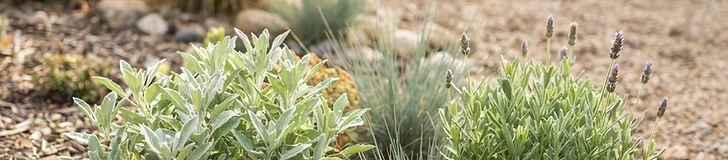
By organizing your garden into zones based on water needs, you can simplify maintenance and significantly reduce your utility bills while keeping plants thriving. This technique, known as hydrozoning, ensures that no plant is left parched or drowning due to one-size-fits-all irrigation habits. Learn how to map your garden into efficient, thirsty, and drought-tolerant sectors.
Assess Your Garden's Microclimates
Start by observing how water behaves in your yard. Areas that hold moisture, such as low spots or shaded corners, are naturally suited for water-loving plants. Conversely, elevated beds or southern-facing slopes that stay dry even in mid-July (where temperatures may hit 90°F+) are ideal for xeric species. Before adding new plants, identify these natural zones to prevent placing a desert succulent next to a thirsty Hydrangea.
Categorize Your Plants
Group your selections into three primary water categories to simplify your watering schedule:
- High-water zone: Vegetables, annuals, and thirsty perennials like Columbine that need consistent moisture, especially in USDA zones 7-9.
- Moderate-water zone: Established shrubs and groundcovers that thrive with deep, infrequent soaking once every 7 to 10 days.
- Low-water zone: Native grasses and succulents that require supplemental irrigation only during prolonged droughts or establishment.
Pro-tip: Always group plants by their water needs during the design phase rather than trying to reorganize an existing landscape; it is much easier to set up a dedicated drip irrigation line for a 'high-water' zone than to retrofit your entire irrigation system.
Implement Irrigation Efficiency
Once your plants are grouped, tailor your delivery methods. Use drip irrigation or soaker hoses in your high-water zones to deliver 1–2 inches of water directly to the root zone, avoiding evaporation. In your low-water zones, minimal hand-watering or natural rainfall is often sufficient once plants are established. By isolating these needs, you stop wasting water on plants that do not actually require it.
Maintain Soil Moisture
Apply a 2- to 3-inch layer of organic mulch across all zones to retain soil moisture and regulate temperature. For water-wise gardens, mulch acts as an essential insulator, keeping the soil cool during the heat of summer. Refresh this layer annually to suppress weeds that would otherwise compete for your precious water resources.
Start your hydrozoning journey by evaluating just one garden bed this weekend, moving the thirstiest plants together and watching how your water usage drops.