
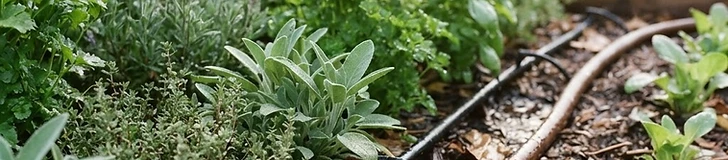
Traditional overhead watering—whether by sprinkler or handheld hose—is often the enemy of a thriving garden. While it feels satisfying to spray water over your foliage, much of that liquid evaporates before it ever hits the soil, and moisture trapped on leaves can invite fungal diseases like powdery mildew. If you are looking to elevate your gardening game, shifting to localized delivery systems like drip irrigation or soaker hoses is the most impactful upgrade you can make. By focusing water at the root zone, you create a more resilient garden that handles the fluctuating temperatures of US hardiness zones far more effectively.
The Logic of Targeted Hydration
When you use a conventional hose, you likely water the entire surface area of your garden bed. This encourages weeds to sprout in the empty spaces between your crops and forces your plants to grow shallow, thirsty roots. Drip irrigation and soaker hoses work on a different principle: precision. These systems release water slowly, allowing the soil to absorb moisture deeply without runoff. In the intense summer heat of zones 7 through 9, where temperatures often exceed 90°F, this deep soaking is essential. Deep water encourages roots to venture further into the cooler, damper earth below, making your plants significantly more drought-tolerant during dry spells.
Understanding Your Options
Drip irrigation uses a network of plastic tubing fitted with small emitters. These emitters release water at a controlled rate, usually measured in gallons per hour. It is a highly customizable system; you can place emitters directly at the base of a tomato plant or run a length of porous tubing along a row of carrots. Because the system is modular, it is perfect for raised beds and complex container arrangements.
Soaker hoses are the simpler, cousin to drip lines. They are made of a porous material that "sweats" water along the entire length of the hose. They are incredibly easy to install—simply snake them through your garden beds and cover them with a two-inch layer of organic mulch. Because they release water along the whole line, they are ideal for dense plantings, such as lettuces, spinach, or flower borders, where individual drip emitters might be too tedious to place.
Installation and Maintenance Tips
Setting up these systems does not require a degree in plumbing. Most beginner kits connect directly to your outdoor faucet. Before you begin, clear your garden beds of large debris and add a fresh layer of compost. It is always wise to use a backflow preventer and a pressure regulator, especially if you live in an area with high water pressure, as this prevents your lines from bursting or popping off their connectors.
Practical tips:
- Always test your system before covering it with mulch to ensure there are no leaks at the connections.
- Use a simple mechanical timer at the faucet to automate your schedule, ensuring the garden gets water early in the morning when evaporation rates are lowest.
- If you live in a climate where the ground freezes, disconnect your lines and drain them before the first hard frost of the season to prevent winter damage.
- Flush your lines once a season by removing the end caps and running the water for a few minutes to clear out any sediment or mineral buildup.
- Use a moisture meter or simply stick your finger two inches into the soil to check if your watering duration is sufficient—aim for consistent, slight dampness rather than a swamp.
Managing the Soil Environment
Once your irrigation is installed, your biggest ally is organic mulch. Whether you use straw, shredded wood chips, or pine needles, mulch acts as a protective shield over your drip or soaker system. It prevents the sun from degrading the plastic tubing and, more importantly, it keeps the moisture exactly where the emitters deposited it. By preventing surface evaporation, you effectively increase your water efficiency by another 20 to 30 percent. In zones with high humidity, mulch also helps prevent soil-borne pathogens from splashing up onto your leaves during heavy rains.
Troubleshooting Common Issues
The most common complaint with these systems is clogging, especially if you have hard water with high mineral content. If you notice an emitter or a section of soaker hose isn't outputting water, check for calcium buildup. In many cases, a simple soak in white vinegar or a gentle poke with a needle will clear the obstruction. Always check your filter at the faucet connection monthly; it is designed to catch the debris that would otherwise block your emitters. By spending fifteen minutes a month on maintenance, your system will provide reliable service for years to come.
Quick takeaway
Install a drip or soaker system, cover it with mulch, and let deep, root-level watering turn your garden into a self-sustaining oasis.