
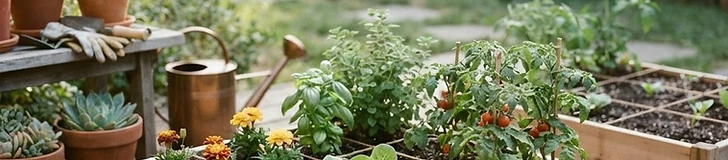
Transforming a compact patio into a productive food source is easier than you think when you apply square-foot gardening logic to containers. By dividing your growing space into discrete 12-inch grids, you can maximize yields in places where traditional in-ground beds are impossible. Whether you have a concrete slab or a tiny balcony, you can cultivate a thriving garden.
Choosing the Right Containers
The success of your container grid depends on volume and drainage. To mimic a square-foot box, look for containers that are at least 12 inches deep to accommodate root systems. You can use large plastic tubs, fabric grow bags, or elevated wooden troughs. Ensure each container has drainage holes; excess water is the enemy of container-grown plants in cooler USDA zones, where it can cause root rot.
Preparing Your Soil
Because container plants don't have access to the earth's natural nutrient cycle, your soil medium must be high-quality. A mix of 1/3 compost, 1/3 peat moss or coconut coir, and 1/3 coarse vermiculite provides the perfect texture. This light, fluffy mixture ensures that roots can breathe while retaining enough moisture to survive summer days when temperatures soar above 85°F.
Always place your containers on a level surface with at least 6 hours of direct sunlight, and remember that smaller pots dry out faster than large ones, so check them daily during the height of the summer.
Planting Strategies
When managing your grid density, use these common spacing rules for 12-inch sections:
- 1 plant per square: Tomatoes (Solanum lycopersicum) or Peppers (Capsicum annuum).
- 4 plants per square: Leafy greens like Lettuce (Lactuca sativa).
- 9 plants per square: Bush beans (Phaseolus vulgaris) or beets (Beta vulgaris).
- 16 plants per square: Carrots (Daucus carota) or radishes (Raphanus sativus).
Maintenance for Success
Because you are growing plants in close quarters, nutrient management is vital. Since these plants have limited access to soil minerals, supplement with an organic liquid fertilizer every two weeks once the growing season peaks. Keep a close eye on moisture levels; container soil loses water rapidly, so aim to keep the top inch consistently moist, especially during the hottest weeks of mid-summer.
Start with just a few containers this season to master your watering rhythm before expanding your patio harvest.