

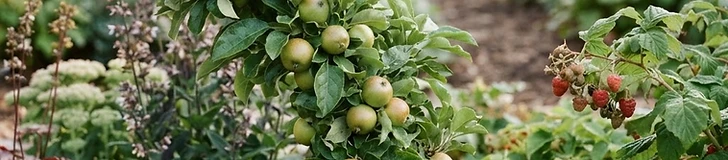
Even if you have limited space, you can enjoy a backyard harvest by choosing dwarf varieties. These trees are genetically bred to stay compact while producing full-sized, delicious fruit, making them ideal for small yards or large patio containers.
Selecting Your Tree
To start, you must choose a variety that fits your climate. Most fruit trees require a specific number of 'chill hours'—the time spent between 32°F and 45°F—to bloom correctly. Check the USDA Hardiness Zone map before purchasing. For small spaces, look for trees grafted onto 'dwarfing rootstocks,' such as Malus domestica (apple) or Prunus persica (peach), which limit tree height to between 6 and 10 feet.
Planting and Site Requirements
Proper site selection is critical for long-term health. Most fruit trees require at least 6 to 8 hours of direct sunlight daily to produce high-quality sugar levels in the fruit.
- Dig a hole twice as wide as the root ball but no deeper.
- Ensure the graft union—the bump on the lower trunk—stays at least 2 inches above the soil line to prevent rot.
- Water deeply immediately after planting to eliminate air pockets.
Pro tip: If planting in a container, ensure it has at least 15 gallons of capacity and excellent drainage to keep roots healthy during heavy summer rains.
Long-Term Maintenance
Consistent care ensures a productive harvest year after year. Young trees need regular irrigation, especially during their first two summers. Mulch around the base with 2 inches of organic wood chips to retain moisture, keeping the mulch away from the trunk itself. Annual pruning is essential to maintain the tree's architecture. Aim to prune in late winter while the tree is dormant, removing dead or crossing branches to encourage airflow throughout the canopy.
Protecting Your Harvest
Keep an eye on pest management by monitoring leaves for early signs of aphids or mites. Providing consistent water and nutrients during the growing season strengthens the tree's natural defense against stress and disease. If you live in an area with deer or rodents, install a wire mesh cage around the trunk to prevent bark damage during the winter months.
With a bit of planning and consistent attention, your small-scale orchard will provide fresh, homegrown fruit for years to come.