
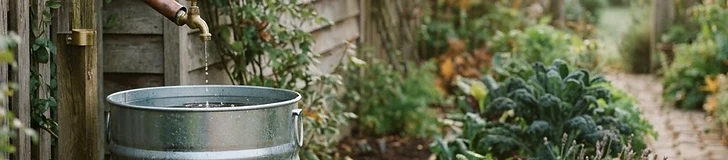
Gardening is often described as a dance with nature, and nowhere is that rhythm more apparent than in how we manage water. For many home gardeners across the United States, municipal water costs are rising, and the erratic nature of modern weather makes irrigation a constant challenge. By capturing rain from your roof and aligning your watering schedule with the natural physiological needs of your plants, you can create a more resilient garden that thrives even when the hose stays turned off.
The Logic of Rainwater Harvesting
Rainwater is a gift to your garden. Unlike municipal water, which is often treated with chlorine or chloramines, rainwater is naturally soft and devoid of the harsh additives that can build up in soil over time. In most parts of the United States, your roof is a massive, underutilized catchment area. Even a small shed or garage can provide enough runoff to keep a raised bed hydrated for weeks.
To begin, look at your downspouts. A simple barrel system positioned at the corner of your gutter system can hold 50 to 80 gallons of water. When setting this up, ensure you have a fine mesh screen to prevent mosquitoes from breeding and to keep debris out of your reservoir. If you live in a drier region like USDA Zones 9 or 10, consider installing a series of linked barrels to increase your total storage capacity for those longer dry spells between summer storms.
Understanding Soil Moisture Dynamics
Before you turn on the tap, you must understand what is happening beneath the surface. Beginners often fall into the trap of light, daily sprinkling, which encourages roots to remain shallow. Shallow roots are fragile and dry out quickly when the sun hits the top inch of soil. Instead, aim for deep, infrequent soakings.
Check your soil moisture using the simple finger test. Stick your index finger into the soil up to the second knuckle. If the soil feels damp or cool, your plants are likely doing fine, even if the surface looks a bit dusty. If it is dry and crumbly, it is time to irrigate. In the heat of mid-summer, when temperatures hover above 85°F, your garden loses water rapidly to evaporation. Aiming your irrigation at the base of the plant, rather than overhead, ensures that the water reaches the root zone where it is actually needed, rather than evaporating into the air.
Designing a Smart Schedule
Your watering schedule should not be a static calendar event; it should be a fluid plan that shifts with the seasons. In the spring, when temperatures are cooler and evaporation is low, you might only need to water once a week. As you transition into the peak growing season, the frequency must increase.
Early morning is the gold standard for watering. Starting your irrigation between 5:00 AM and 7:00 AM allows the plants to hydrate fully before the heat of the day arrives. Furthermore, it gives the foliage time to dry off before the evening, which is crucial for preventing fungal issues like powdery mildew. If you use stored rainwater, gravity-fed systems work perfectly in the morning, as the water will be at ambient temperature, preventing thermal shock to your plants.
Adapting to Your USDA Zone
Your location dictates your strategy. Gardeners in the Pacific Northwest (Zones 7-8) face different challenges than those in the arid Southwest (Zones 9-10). If you are in a high-heat zone, focus your efforts on heavy mulching. Applying two to three inches of organic material—such as straw, pine bark, or compost—around the base of your plants acts as a thermal blanket, trapping moisture and keeping the soil temperature steady. This single step can reduce your total irrigation needs by up to 30 percent.
In colder zones, the focus is on the start and end of the season. Ensure that your rain barrels are disconnected and drained before the first hard freeze, typically in late October or early November, to prevent the barrels from cracking as water expands during the freezing process.
Practical Tips
- Elevate your rain barrel on concrete blocks to create pressure, which makes it easier to attach a hose for gravity-fed irrigation.
- Use a simple DIY drip line made from a punctured garden hose buried beneath the mulch to deliver rainwater directly to the roots.
- If you lack the space for barrels, install a rain garden in a low-lying area of your yard to naturally catch runoff and recharge the groundwater.
- Group your plants by their water needs so you do not waste resources watering drought-tolerant herbs alongside thirsty vegetables.
- Always check your local regulations, as some areas have restrictions on the total volume of rainwater you are permitted to capture.
Quick Takeaway
Harvest rain to save money, and shift to deep, morning soakings to grow a more resilient, self-sufficient garden.