
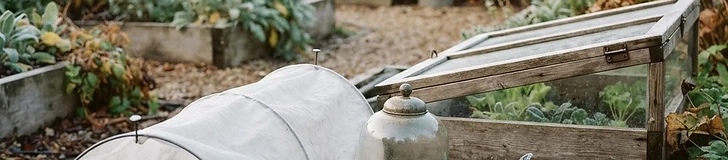
Sudden dips in temperature can ruin months of hard work in the garden. By using a few simple tools, you can trap warmth and shield your plants from the damaging effects of frost, helping you garden well into the shoulder seasons.
Row Covers
Floating row covers are lightweight fabrics draped directly over your plants or supported by simple wire hoops. These permeable materials allow light and water to reach the soil while providing a few degrees of protection against light frost. This is ideal for cool-season crops like Spinach or Kale. Ensure the edges are weighed down with stones or landscape staples to prevent them from blowing away in the wind.
Cloches
Cloches act as individual miniature greenhouses for your seedlings. You can easily make these at home by cutting the bottoms off plastic gallon jugs or using glass jars. These are perfect for protecting individual tender plants, such as young Solanum lycopersicum (tomato) transplants, from late spring frost. Remember to remove them during the day once temperatures rise above 50°F to prevent overheating.
Tip: Always remove your frost covers during sunny, mild days to allow for proper airflow and prevent moisture buildup, which can invite fungal diseases like damping off.
Cold Frames
For more serious temperature control, a cold frame is a bottomless box topped with a clear, hinged lid. By placing this structure over a garden bed in USDA zones 5 through 7, you can create a microclimate that keeps the soil temperature several degrees warmer than the surrounding air. This is a robust solution for starting seeds early in the spring or keeping hardy greens alive well into December.
Timing Your Protection
- Monitor local forecasts: Watch for nighttime lows dropping below 32°F.
- Install before sunset: Trap the heat stored in the soil from the daytime sun.
- Remove when appropriate: Take off covers once temperatures are consistently above freezing in the morning.
By taking these proactive steps, you can successfully navigate fluctuating spring and autumn temperatures and enjoy a significantly longer harvest period for your favorite home-grown vegetables.