
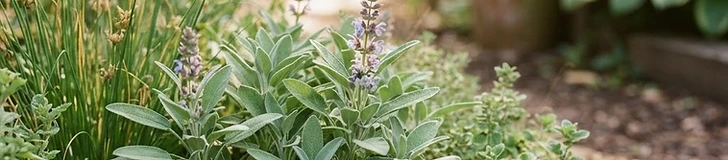
Transform your landscape into a culinary resource by incorporating perennial herbs. Unlike annuals that complete their lifecycle in one season, these hardy plants return year after year, saving you time and money while ensuring a steady supply of fresh ingredients. By choosing the right varieties for your USDA zone, you can establish a low-maintenance patch that thrives for seasons on end.
Choosing Your Varieties
Selecting the right perennial species depends heavily on your local climate. In most US regions, plants like Thymus vulgaris (Thyme) and Salvia officinalis (Sage) are remarkably resilient. Thyme is a low-growing creeper that thrives in zones 5–9, while Sage prefers well-draining soil and holds its silvery-green leaves even through light frosts. For those in warmer climates, consider woody perennials that can withstand heat and lower rainfall once established.
Planting for Success
Proper site preparation is the key to longevity. Perennials dislike "wet feet," so ensure your garden soil drains well. If you have heavy clay, amend the soil with organic compost or create raised beds at least 8 to 12 inches high. Space your plants 18 to 24 inches apart to allow for mature airflow, which prevents fungal diseases. Dig a hole twice as wide as the nursery container and plant at the same depth it grew in the pot to avoid crown rot.
For the best growth, apply a 2-inch layer of organic mulch around the base of your herbs, keeping it a few inches away from the stems to prevent moisture buildup and rot.
Care and Maintenance
Once established, most perennial herbs require minimal intervention. During the first growing season, provide consistent water—about 1 inch per week—to help roots penetrate the deep soil. In subsequent years, these plants become drought-tolerant.
- Prune back woody growth by one-third in early spring to encourage new, flavorful shoots.
- Avoid heavy fertilization, as it can reduce the essential oils that provide your herbs with their signature aroma and taste.
- Monitor for pests during high-humidity weeks, but rely on manual removal rather than harsh chemicals.
Harvesting Wisdom
Always follow the rule of thirds: never harvest more than one-third of the plant at once. This ensures the herb retains enough foliage to photosynthesize and survive the winter months, remaining strong for your next harvest.