
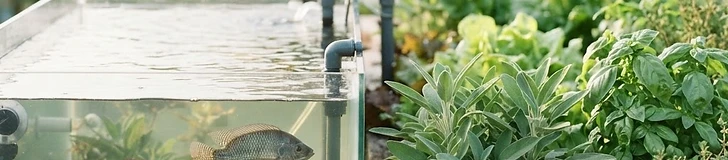
Choosing the right fish for your backyard aquaponics system is not just about aesthetics; it is about creating a stable ecosystem where aquatic life and vegetable crops support each other. For the home gardener, success hinges on selecting hardy, adaptable species that can handle the natural fluctuations of outdoor tanks. In the United States, your choice will often be dictated by your USDA hardiness zone and the temperature range you can maintain throughout the changing seasons. The goal is to choose fish that are disease-resistant, grow efficiently, and produce a consistent level of waste to feed your plants. ## Understanding Environmental Needs Before picking a species, consider your local climate. If you live in USDA zones 8 through 10, where temperatures stay warmer for longer, you have a wider range of options including tropical species. In colder regions like zones 4 through 7, you will need to either select cold-hardy fish that can survive lower temperatures or plan to insulate and heat your tanks during the winter months. Fish metabolism slows down significantly in temperatures below 60°F, which directly impacts their waste output and, consequently, your plant growth. ## The Gold Standard: Tilapia Tilapia are arguably the most popular fish in backyard aquaponics for good reason. They are incredibly resilient, tolerate poor water quality better than almost any other species, and grow rapidly. Tilapia are omnivores that thrive on high-protein pellets, making them excellent waste producers. They prefer warmer water, typically between 75°F and 85°F. If you live in a region that gets cold, you must be prepared to use a tank heater or bring your fish indoors during the winter. Because they breed readily, they are a great choice if you are looking to become self-sufficient. ## Cold-Water Alternatives: Goldfish and Koi If you are not ready for the management intensity of food fish, goldfish and koi are perfect for learning. These species are members of the carp family and are exceptionally hardy. They can handle a much wider range of temperatures than tilapia, often surviving in water as cold as 40°F. While they do not provide a food source for your dinner table, they provide plenty of nutrients for leafy greens like lettuce, kale, and basil. Because they are not typically harvested, you can keep the same fish for years, allowing your system to reach a mature biological balance that is hard to achieve with fast-growth food fish. ## Bluegill and Sunfish For gardeners in the United States who prefer native species, bluegill and other sunfish are a fantastic option. These fish are well-adapted to varied environments and are quite hardy once established. They grow more slowly than tilapia, which can actually be a benefit for beginner aquaponic systems because it results in a more manageable, steady nutrient load for your plants. They are accustomed to fluctuating seasonal temperatures, making them a lower-maintenance choice for those who do not want to install complex water heating systems. ## Practical tips - Always cycle your system completely before adding fish to ensure the beneficial bacteria are established. - Research your local regulations, as some states have restrictions on keeping certain non-native fish species. - Start with a smaller population density than you think you need; you can always add more later, but overcrowding leads to disease outbreaks. - Invest in a reliable water testing kit to monitor pH, ammonia, nitrites, and nitrates at least twice a week. - Ensure your fish tank has a solid lid to prevent fish from jumping out and to protect them from local predators like birds or raccoons. - Feed your fish only what they can consume in five minutes to prevent uneaten food from rotting and spiking your ammonia levels. ## Quick takeaway: Choose hardy, temperature-appropriate fish to ensure a balanced, low-stress system that turns waste into abundant harvests.
 Aquaponics
Selecting Your Aquatic Team: The Best Fish for Backyard Aquaponics
3 min read 635 words
Selecting the right fish is the most critical decision for a successful backyard aquaponics system. Learn which species thrive in home setups and how to match them to your local climate and goals.
Watch & learn
Curated variety-trial and pest-ID videos related to this article.
#Aquaponics#Backyard Gardening#Fish Care#Sustainable Agriculture