
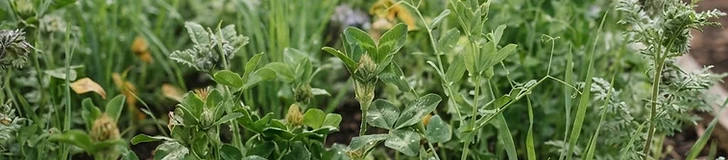
Cover crops act as living armor for your garden beds, protecting topsoil from erosion while building fertility. By selecting the right species for your climate and season, you can suppress weeds, break up compacted soil, and add organic matter before your next planting cycle.
Assess Your Seasonal Window
Think of cover crops in two categories: cool-season and warm-season. Cool-season crops, like Secale cereale (winter rye) or Vicia villosa (hairy vetch), are sown in late summer or autumn and survive through early spring. These are ideal for overwintering in USDA zones 3–8. Warm-season crops, such as Fagopyrum esculentum (buckwheat), grow rapidly during the high heat of summer, usually requiring 6–8 weeks before your first frost or primary planting date.
Choose Based on Soil Goals
- Loosening compacted soil: Use deep-rooted plants like Raphanus sativus (tillage radish) which can penetrate tough clay layers up to 12 inches deep.
- Boosting nitrogen levels: Choose legumes like Trifolium incarnatum (crimson clover) to capture atmospheric nitrogen and feed the soil microbes.
- Suppressing weeds: Opt for dense growers like cereal rye to physically shade out competition.
Tip: Always terminate your cover crops by mowing or crimping them down at least two to three weeks before you plan to transplant your primary crops to prevent regrowth and allow residue decomposition.
Climate Considerations
In colder regions (USDA zones 3–5), focus on hardy species like annual ryegrass that can withstand sub-zero temperatures. Gardeners in warmer zones (USDA zones 9–11) should prioritize summer cover crops that manage moisture and prevent sun-scorch. Always check your local first and last frost dates, as these dictate your planting window. Sowing too late in the fall prevents the roots from establishing, while planting too early in the spring may cause the crop to bloom and set seed too quickly, potentially becoming a weed in your beds.
Maintenance Basics
Most cover crops are low maintenance, requiring only consistent moisture during germination. Spread seeds evenly, lightly rake them into the soil, and ensure they are covered by at least 0.5 inches of compost or soil to protect them from birds. Once established, they generally thrive without additional fertilizers or supplemental watering until they are ready to be turned into the soil as green manure.