
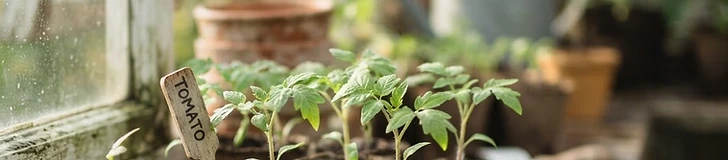
Starting Solanum lycopersicum from seed allows you to access unique heirloom varieties that aren't available as nursery starts. This guide covers the essential process of nurturing seedlings and preparing them for life outdoors.
Starting Indoors
Begin your seeds 6 to 8 weeks before your region's average last frost date. For most US gardeners, this falls between late February and early April depending on your USDA hardiness zone.
- Use a high-quality seed starting mix.
- Plant seeds about 1/4 inch deep in individual cells or trays.
- Keep the soil moist and warm, ideally between 70°F and 80°F, using a heat mat if necessary.
- Once sprouts emerge, place them under a bright LED shop light positioned 2–3 inches above the canopy to prevent leggy growth.
The Role of Light
Seedling health depends almost entirely on light intensity. A sunny windowsill is rarely enough for tomatoes, which require 14 to 16 hours of strong light per day. If your plants look pale and thin, they are begging for more light. Providing consistent, intense illumination results in thick, sturdy stems that will eventually support heavy fruit production.
Pro tip: Use a small oscillating fan on a low setting near your seedlings for a few hours daily; the gentle breeze mimics outdoor conditions, triggering the plants to develop thicker, stronger stalks.
Hardening Off
Directly moving indoor plants outside is a recipe for disaster. Hardening off is the critical process of acclimating seedlings to natural wind, humidity, and direct UV rays. Over 7 to 10 days, gradually increase their exposure. On day one, place them in the shade for one hour. Each day, add an hour and gradually introduce dappled sunlight. By the end of the second week, they should be spending full days and nights outside, provided temperatures remain above 50°F.
Transplanting
When your seedlings are stocky and the danger of frost has passed, bury them deep. Deep planting encourages the stem to sprout extra roots, creating a massive, efficient root system. Remove the lower leaves and plant the seedling so that only the top two or three sets of leaves are above the soil surface. Space plants at least 24 inches apart to ensure good airflow, which is your best defense against fungal issues later in the season.
With patience and careful transition, your home-started tomatoes will be stronger and more productive than anything you can buy at the store.