
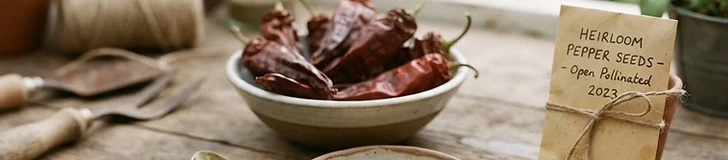
Saving seeds from your favorite peppers is a rewarding way to preserve heirloom varieties and save money. In this guide, you will learn the step-by-step process for selecting, cleaning, and storing seeds from your garden's best performers.
Selecting the Right Plants To save seeds, you must start with open-pollinated or heirloom varieties; hybrid (F1) seeds will not grow true to the parent plant. Choose your healthiest, most productive plant—ideally one that reflects the perfect size, shape, and flavor you desire. Mark this plant early in the season so you don't accidentally harvest its fruits for the kitchen.
Harvesting for Maturity Peppers need to reach full physiological maturity to produce viable seeds, which means waiting well past the point of culinary harvest. For most varieties, this means leaving the pepper on the plant until it is fully ripened—usually turning deep red, chocolate, or gold—and beginning to soften or wrinkle. If a frost is approaching in your USDA zone, harvest them and bring them indoors to finish ripening on a sunny windowsill.
Extraction and Cleaning Process Once your peppers are fully mature, it is time to extract the seeds. Follow these steps:
- Put on gloves, especially if you are working with hot chiles, to protect your skin from capsaicin.
- Slice the pepper open and carefully scrape the seeds onto a paper plate or a clean piece of parchment paper.
- Spread the seeds in a thin, single layer to ensure even drying.
Tip: Avoid using heat or direct sunlight to dry your seeds, as high temperatures above 95°F can damage their viability; a cool, dark room with good airflow is best.