
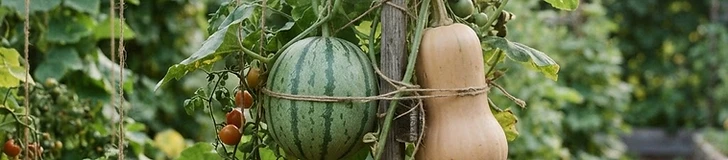
Growing sprawling vining plants vertically is the ultimate space-saving strategy for home gardeners. By training crops like Cucurbita pepo (summer squash), Cucumis melo (melons), and Solanum lycopersicum (tomatoes) upward, you improve airflow, reduce disease, and simplify harvesting. When dealing with heavy fruit, the key is balancing vine weight with structural stability.
Strengthening Your Structure
Before planting, ensure your support system can handle the weight of mature, water-filled fruit. For heavy-bearing varieties, avoid flimsy garden netting. Instead, use cattle panels, heavy-gauge wire, or sturdy wood arbors. These materials provide the rigid framework necessary to hold 5–10 pound melons or large tomatoes without buckling under the summer heat or heavy rainfall typical of USDA zones 5 through 9.
Training for Success
Begin training your vines as soon as they reach 6–10 inches in length. Use soft garden ties or strips of old cotton fabric to secure the main stem to the support. Never pull the vine too tight; you want to mimic its natural climbing habit. As the plants grow, gently guide them to weave through the trellis openings, which provides additional natural anchor points for the vine's tendrils.
For heavy fruits like cantaloupes or winter squash, create a simple 'sling' using old pantyhose or breathable mesh fabric tied to your support structure to cradle the fruit, preventing it from snapping the vine as it gains weight.
Managing Fruit Load
Vertical gardening changes how you approach thinning. If you allow too many fruits to develop on a single vine, the structural load may exceed the plant's capacity. For heavy melons or large-fruited squashes, limit the plant to 2–3 fruits per vine. This focus ensures each individual fruit reaches full size and sweetness without exhausting the mother plant or straining the trellis system.
Monitoring Environmental Stress
Plants growing vertically are more exposed to wind and direct sunlight than those on the ground. When temperatures exceed 85°F, monitor your vertical containers or garden beds for rapid moisture loss. Because vertical plants have less soil contact, they may require supplemental irrigation twice daily during mid-summer peak growth. Consistent soil moisture prevents the wilting that often leads to weakened stems susceptible to breaking under the weight of ripening harvests.
With a sturdy trellis and a bit of plant maintenance, you can turn your vertical space into a productive orchard of hanging fruit.