
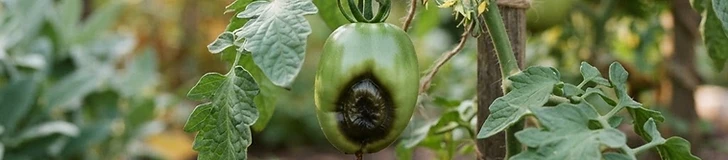
If you have ever found a dark, leathery patch on the bottom of your ripening tomatoes, you have likely encountered blossom-end rot. This common frustration isn't actually a disease, but rather a physiological disorder caused by a calcium deficiency in the developing fruit. By understanding the environment, you can save your harvest.
Why It Happens
This condition occurs when the plant cannot pull enough calcium into the fruit as it grows. While your soil may have plenty of calcium, the plant often struggles to move it during periods of rapid growth or fluctuating moisture. Common culprits include:
- Inconsistent watering patterns.
- Extreme heat above 90°F.
- Excessive nitrogen fertilizer, which forces fast leaf growth at the expense of fruit.
- Root damage from over-tilling.
Mastering Soil Moisture
Consistent moisture is your best defense. If the soil dries out completely and then is suddenly flooded, the plant's vascular system struggles to distribute nutrients evenly. Aim to keep your soil evenly moist, feeling like a wrung-out sponge, about 1 to 2 inches deep. For most gardeners, a steady supply of 1 inch of water per week, adjusted for high temperatures, is ideal.
Pro tip: Apply a 2-inch layer of organic mulch, such as straw or shredded bark, around the base of your plants to regulate soil temperature and stabilize moisture levels.
Soil pH and Nutrient Balance
Calcium uptake is highly dependent on soil chemistry. If your soil pH is too low (acidic), the roots cannot absorb calcium effectively even if it is present.
- Test your soil early in the season; aim for a pH between 6.5 and 6.
- If your pH is low, amend the soil with garden lime well before planting.
- Avoid high-nitrogen fertilizers once your Solanum lycopersicum plants begin to set fruit, as this can encourage leafy growth rather than healthy fruit development.
Can You Eat Affected Tomatoes?
If you find a tomato with a small, localized spot, you can simply slice off the leathery, affected portion. The rest of the tomato is perfectly safe to eat, provided the rot hasn't been infiltrated by mold or pests. However, it is best to remove heavily damaged fruit from the vine so the plant can direct its remaining energy toward healthy, developing tomatoes.
Consistent daily attention to your watering schedule is the single most effective way to prevent this issue from ruining your summer garden.