
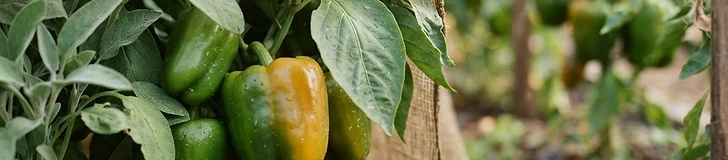
In the height of summer, intense sunlight can cause more than just dry soil; it can cook your ripening peppers right on the vine. You will learn how to identify sunscald and use simple techniques to shield your fruit from harmful solar radiation.
Understanding Sunscald
Sunscald appears as a light-colored, papery, or sunken patch on the side of a pepper fruit exposed to direct sun. Unlike rot, it is caused by tissue dehydration rather than a pathogen. In temperatures exceeding 90°F, tender fruit skins lose moisture faster than the plant can supply it, leading to cellular collapse. This is most common on thin-walled varieties like bell peppers, but any pepper can be affected if the protective leaf canopy is sparse.
The Power of Leaf Cover
Your plant's natural defense is its foliage. Maintaining a healthy, bushy plant is the first line of defense. Gardeners often mistakenly prune too aggressively for airflow, exposing vulnerable fruit. If your plants are sparse, try these strategies:
- Avoid over-pruning lower leaves that naturally shade developing fruit.
- Use gentle ties to guide branches over exposed peppers.
- Apply a balanced fertilizer to encourage leafy vegetative growth early in the season.
If you notice your peppers are constantly exposed, tuck a few large leaves over the shoulders of the fruit to provide a temporary natural umbrella until the plant grows fuller.
Using Shade Cloth
When temperatures soar, especially in USDA zones 8 and higher, shade cloth provides essential relief. This woven material is designed to filter sunlight while allowing airflow.
- Select a 30% to 40% shade cloth, which is sufficient to protect vegetables without blocking the light required for photosynthesis.
- Drape the fabric over a simple frame made of PVC or wood stakes.
- Secure the edges firmly to prevent the wind from whipping the cloth against your plants.
Managing Heat Stress
Prevention also involves keeping the overall plant hydrated. A mulch layer of 2 to 3 inches of straw or wood chips keeps the soil cool and prevents the heat stress that weakens the plant's ability to protect its fruit. When the roots are cool, the plant is much better equipped to manage the transpiration needed to keep fruits firm and plump. Consistent watering during dry spells ensures the pepper skins stay resilient rather than becoming brittle and prone to burning.
Consistent care and a little bit of shade will keep your peppers healthy and harvest-ready all season long.