
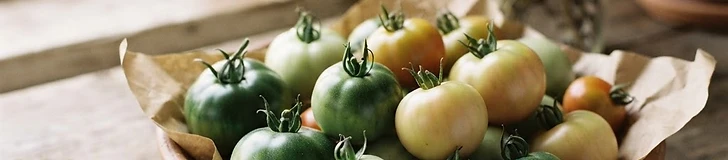
When temperatures begin to drop toward 50°F, it is time to secure your final tomato harvest. Instead of letting green fruit freeze on the vine, you can easily finish the ripening process inside your home to avoid wasting a season of growth.
Assess Your Harvest
Inspect your plants before the first frost hits your USDA hardiness zone. Look for breaker-stage tomatoes, which have started to show a slight color shift from deep green to a pale pink, yellow, or light green. These are the best candidates for indoor ripening. If a fruit is completely hard and dark green, it may take longer or fail to develop full flavor, but it is still worth saving for green tomato recipes like pickles or fried slices.
Proper Harvesting Techniques
Use sharp, clean garden shears to snip the fruit from the vine, leaving a small portion of the stem attached. Handle the tomatoes gently, as any bruising or skin breaks can introduce rot. If you live in an area with a short growing season, pulling the entire plant to hang upside down in a cool garage or basement is a valid alternative, provided the temperature remains consistently above 55°F.
Keep your ripening tomatoes out of direct sunlight; contrary to popular belief, they do not need the sun to turn red and can actually sunscald or dehydrate if left on a windowsill.
The Ripening Process
To encourage natural ethylene production, place your tomatoes in a single layer to prevent cross-contamination from any molding fruit. Follow these steps for optimal results:
- Choose a location with 65°F to 75°F ambient temperature.
- Place them in a cardboard box or a brown paper bag to trap the natural gases they emit.
- Add a ripe banana or apple to the container to speed up the process by increasing the local concentration of ethylene.
- Check your tomatoes every two days, removing any that have reached a deep red color or show signs of soft spots.
Long-Term Storage
If you have a surplus, you can hold tomatoes at a slightly cooler temperature of 55°F to 60°F to slow down the ripening process significantly. This extends the life of your harvest by several weeks. Always avoid placing tomatoes in the refrigerator, as temperatures below 50°F will destroy the cell structure and leave you with mealy, flavorless fruit.
Properly stored tomatoes will provide a delicious homegrown taste long after the garden has been tucked away for winter.