
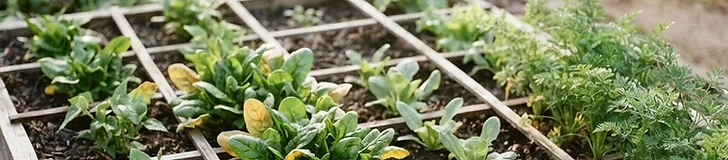
In a square-foot garden, where space is limited and planting is dense, managing soil health is vital. By rotating your crops seasonally, you ensure that specific plant families do not exhaust the same nutrients year after year or allow soil-borne diseases to take hold.
Understanding Plant Families
To rotate effectively, group your vegetables by botanical families. Because plants in the same family often share the same pests and nutritional requirements, moving them ensures the soil gets a break. For example, Solanaceae crops like tomatoes and peppers are heavy feeders, while Fabaceae such as peas and beans actually fix nitrogen back into the soil.
The Four-Season Plan
- Identify your grid sections.
- Keep a simple map of what grew in each square during the previous season.
- Avoid planting the same family in the same square for at least two growing cycles.
Keep a small notebook near your garden shed to sketch out your grid; tracing your rotation history is the secret to a high-yield, pest-free harvest.
Managing Soil Nutrients
Different plants reach into the soil at different depths. Root vegetables, like carrots (Daucus carota), pull minerals from deeper in the bed, while leafy greens stay closer to the surface. Rotating these types helps distribute the demand on your garden bed's soil composition. Always add a half-inch of compost to each square after pulling a crop to replenish what was harvested.
Timing and Temperature
In the US, timing your rotation depends on your USDA zone. If you are in zone 6, your spring rotation of cool-season kale might be followed by a summer heat-loving basil crop in that same square. Once the soil temperature reaches 60°F, you can transition from early spring starters to your warm-weather crops, maintaining the rotation cycle throughout the frost-free months.
Why Rotation Matters
Rotating prevents common issues like blight or cabbage worms from establishing a permanent home in your garden. By changing the location of your plants, you break the lifecycle of many pests and ensure your soil remains balanced for seasons to come. A little planning now prevents a major headache during the peak of summer harvest.