
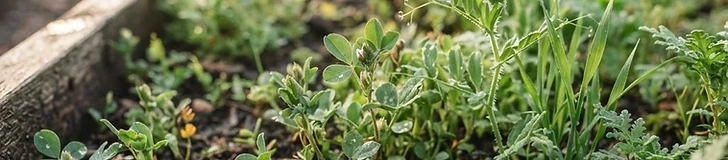
Transforming your garden soil into a thriving ecosystem doesn't require expensive bags of fertilizer. By planting cover crops, often called green manures, you can naturally increase nutrient levels and improve soil structure for your next harvest.
Why Use Cover Crops
Soil health begins with protecting the earth from erosion and compaction. When left bare, garden beds lose vital organic matter to wind and rain. Cover crops act as a living blanket, shielding the surface while their roots break up dense clay or keep loose soil in place. They essentially "pump" carbon into the earth, feeding the microbial life that your vegetables rely on.
Selecting Your Plants
Choosing the right species depends on your USDA zone and the timing of your planting. Common choices for beginners include:
- Winter Rye: Extremely hardy, surviving temperatures well below 0°F, making it ideal for northern winters.
- Crimson Clover: A beautiful nitrogen-fixer that adds fertility back into the soil for spring planting.
- Buckwheat: A rapid-grower perfect for warm summers to suppress weeds quickly.
Tip: Always cut your cover crops down with string trimmers or shears before they set seed; if they bloom and drop seeds, your beneficial green manure can quickly become a garden weed.
The Lifecycle of Green Manure
To get the most out of your plantings, follow these three simple steps for managing the biomass:
- Sow: Broadcast seeds evenly across the bed in early fall or late spring, covering them lightly with a half-inch of compost or soil.
- Terminate: Cut the vegetation down at the soil line once the plants are flowering but before they produce seeds.
- Incorporate: Let the clippings dry for a week, then lightly rake them into the top 2 inches of soil. Wait about two weeks before planting your next vegetable crop to allow the material to begin decomposing.
Observing Results
Over time, you will notice your soil becomes darker, holds moisture longer, and is easier to work with a trowel. By rotating these crops, you keep the soil biology active and hungry, ensuring your garden is ready to produce a massive yield when your main season arrives. Consistent organic inputs are the hallmark of a self-sustaining home garden.