
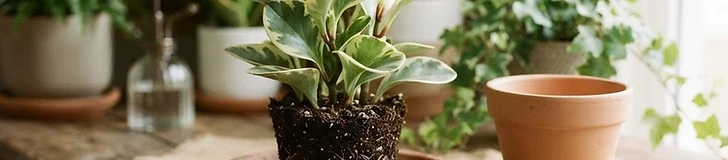
Repotting is a vital skill that gives your plants the space they need to thrive. By the end of this guide, you will know exactly when your plant needs a upgrade and how to perform the transition without causing transplant shock.
Spotting the Signs
Understanding when to repot is the first step toward healthy growth. Most houseplants should be repotted every 12 to 18 months, but look for these physical clues:
- Roots are circling the bottom of the pot or growing through the drainage holes.
- Soil dries out much faster than usual, even when kept in temperatures between 65°F and 75°F.
- The plant has stopped growing despite being in its active season.
- The potting mix has become compacted and no longer holds water effectively.
Choosing the Right Vessel
Selecting a new container is critical for root health. You should move up in size gradually, usually choosing a pot that is only 1 to 2 inches larger in diameter than the current one. Always ensure the new pot has functional drainage holes to prevent the dreaded root rot, which is common in over-watered indoor environments.
The Repotting Process
Follow these steps to ensure a smooth transition:
- Water your plant lightly the day before repotting to reduce stress.
- Gently turn the plant sideways, place your hand over the soil surface, and tap the pot to slide it out.
- Carefully tease apart any root-bound, circling roots with your fingers.
- Add a layer of fresh, high-quality potting mix to the bottom of the new container.
- Center the plant and fill the gaps with fresh soil, firming it gently to eliminate large air pockets.
If you are worried about transplant shock, keep your newly repotted plant in indirect light for a few days to let it acclimate before moving it back to its sunny spot.
Post-Repotting Care
After you finish, water your plant thoroughly until liquid runs out of the drainage holes. This helps settle the soil around the roots. Avoid adding fertilizer for at least four to six weeks, as the new potting soil usually contains enough nutrients to support the plant while it establishes its root system in the new container.
Taking these small steps ensures your houseplants remain vibrant and healthy in your home for years to come.