
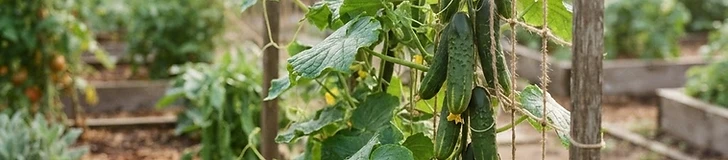
If your garden bed feels cramped, looking upward is your best strategy. By training vining vegetables to climb, you can double your harvest, improve airflow, and keep your produce off the soil to reduce fungal issues.
Choose Your Climber
Not every plant behaves the same way. You must match your support to the plant's natural habit. Twining plants, such as Phaseolus vulgaris (pole beans), naturally wrap their stems around thin structures like string or wire. Tendril climbers, including Cucumis sativus (cucumbers) and Pisum sativum (peas), use tiny, curled appendages to grab onto mesh or netting. Heavier crops like Cucurbita pepo (small squash) require sturdy structures, as their weight can pull down flimsy setups.
Structural Integrity
Beginners often underestimate the weight of a mature, water-laden plant. A vertical trellis must be securely anchored into the ground or a heavy container to withstand high winds. If you garden in USDA zones 5 through 9, ensure your supports can survive seasonal thunderstorms. For lighter crops, bamboo stakes or nylon netting stretched between two posts work perfectly. For heavy lifters, welded wire fencing panels or sturdy A-frame wood structures are essential.
Pro tip: When using twine for support, leave a little slack at the top, as organic materials can shrink slightly when wet, potentially snapping if pulled too tight.
Vertical Maintenance
Once your plants reach for the sky, they need guidance. Gently wrap stems around your support in the direction they naturally lean. If you are growing large, heavy fruits like melons or squash, you may need to construct 'hammocks' using old pantyhose or fabric strips to cradle the fruit, preventing the stems from snapping under the weight. This technique, known as cradle support, allows the vine to continue growing while the fruit matures safely above the ground.
Harvesting and Airflow
Growing vertically provides a huge advantage: better circulation. When leaves dry faster after a morning dew, you significantly reduce the risk of powdery mildew. Additionally, crops like pole beans are much easier to spot at eye level, ensuring you harvest them while they are crisp and tender, rather than missing them until they become woody on the vine.
With consistent support and a bit of early-season training, your vertical garden will turn even the smallest patio or tiny raised bed into a towering, productive oasis.