
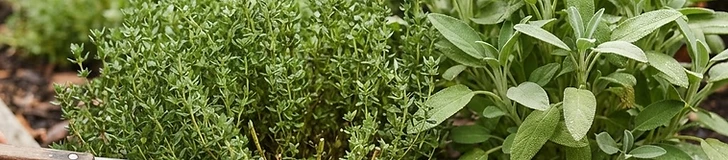
Unlock the secret to a high-yielding herb garden by mastering the art of pruning. Rather than simply harvesting leaves, active trimming encourages your plants to put energy into branching out rather than blooming prematurely, resulting in a much larger total yield throughout the growing season.
The Rule of Thirds
To keep your plants thriving, never harvest more than one-third of the plant at any single time. This ensures the herb retains enough foliage for photosynthesis to fuel recovery. Start by focusing on the tips of the branches, which contain the hormones that drive vertical growth. By removing these tips, you force the plant to divert energy to the dormant buds lower down the stem, effectively doubling your harvest area.
Timing for Growth
For most soft-stemmed herbs like Ocimum basilicum (Basil) or Mentha (Mint), pruning should begin once the plant reaches about 6 to 8 inches in height. For woody perennials like Rosmarinus officinalis (Rosemary) or Thymus vulgaris (Thyme), wait until the plant is established in the ground—typically after it has survived its first season in USDA zones 7 through 10. Always use sharp, sterilized garden shears to make clean cuts just above a leaf node, as ragged edges can invite disease or pests.
Pinch off any emerging flower buds as soon as you spot them; once an herb begins to flower, it redirects energy away from leaf production and can cause the flavor of the foliage to turn bitter.
Encouraging Bushy Habits
- Identify the primary central stem of your herb.
- Locate a pair of healthy leaves with small nodes nestled in the leaf axils.
- Cut about 1/4 inch above these nodes at a 45-degree angle to prevent water from pooling.
- Repeat this process across the top canopy to create a uniform, rounded shape.
Seasonal Maintenance
In cooler climates, stop heavy pruning about six weeks before your expected first frost date. This allows the plant enough time to harden off its new growth before temperatures drop below 32°F. During the peak of summer, consistent harvesting is the best way to keep your plants productive. A well-pruned herb plant will be more resistant to heat stress and less likely to grow tall and "leggy."
Consistent, light pruning is the most effective way to ensure your garden remains a bountiful source of fresh flavor all season long.