

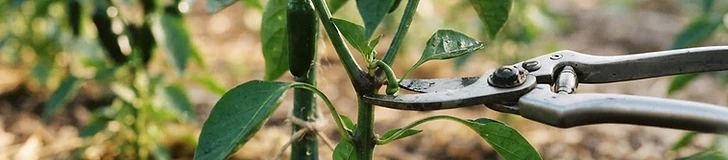
Properly pruning your pepper plants helps direct energy away from excess vegetative growth and into producing larger, healthier harvests. By selectively removing specific branches, you reduce disease risk and allow sunlight to reach the inner fruit clusters of your Capsicum varieties. Most gardeners start this process once their plants are roughly 12 to 18 inches tall and well-established in the garden.
Identifying the V-Shape As your pepper plant matures, it will naturally begin to branch out into a "V" shape at the main stem. The area where the plant splits is the optimal junction for encouraging structural integrity. Beginners should focus on removing the small, spindly "suckers" that grow below this primary fork. These lower branches often stay in the shade and rarely produce significant fruit, acting instead as a drain on the plant's resources.
Enhancing Airflow and Light Consistent airflow is vital for preventing fungal issues, especially in humid regions during the heat of summer. When leaves overlap too heavily, moisture gets trapped, creating a perfect environment for mildew. To improve conditions:
- Thin out leaves that are touching the soil to prevent splashing pathogens.
- Remove branches that are growing inward toward the center of the plant.
- Clip off any leaves that show signs of damage or yellowing to keep the plant focused on vigorous growth.
For the best results, always use clean, sharp bypass pruners or garden shears. Sterilizing your blades with rubbing alcohol between plants prevents the accidental spread of viruses, which peppers are particularly susceptible to.