
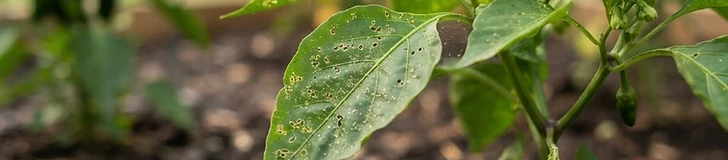
Keeping your pepper patch healthy starts with recognizing early warning signs of common pests. Flea beetles and spider mites are frequent visitors that can stunt your harvest if left unchecked, but they are manageable with proactive monitoring and simple interventions.
Identifying Flea Beetles
Flea beetles are tiny, jumping insects that leave characteristic 'shot-hole' damage—small, round pits—on pepper leaves. They are most active in spring, particularly when temperatures rise above 70°F. If your young transplants show sudden pin-sized holes, these beetles are likely the culprit.
- Check the undersides of leaves early in the morning.
- Use yellow sticky traps near the base of your plants to monitor populations.
- Keep your garden bed weed-free to remove alternative food sources.
Spotting Spider Mite Damage
Unlike the visible beetles, spider mites are nearly microscopic. They thrive in hot, dry conditions, making them a common issue during mid-summer. You will notice stippling (tiny yellow or white dots) on the leaves, followed by fine webbing that usually appears on the underside of foliage or between stems.
- Mist your plants regularly with water to increase localized humidity.
- Check leaves for a 'dusty' appearance, which often indicates a heavy mite presence.
- Prune away severely infested leaves to prevent the colony from spreading.
Pro Tip: A quick way to test for mites is to hold a white sheet of paper under a leaf and gently tap the stem; if tiny specks fall onto the paper and begin moving, you have identified your pest.
Organic Management Strategies
When populations grow beyond what the plant can handle, reach for organic solutions. For flea beetles, floating row covers applied immediately after planting act as an effective physical barrier. If spider mites take hold, insecticidal soap or neem oil is highly effective, provided you coat the undersides of the leaves where these pests congregate. Always apply sprays in the late evening to avoid burning the foliage in the hot sun and to protect essential pollinators visiting your garden.
By checking your pepper leaves twice weekly throughout the growing season, you can stop these pests before they compromise your plant's vigor and your eventual yields.