
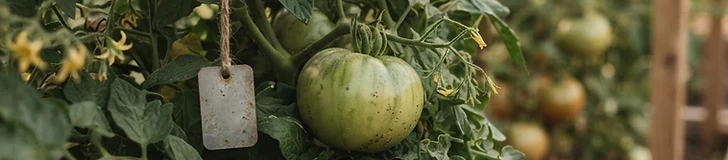
When summer temperatures soar above 90°F, your tomato plants can suffer from more than just heat stress. Sunscald occurs when direct, intense sunlight breaks down the skin of ripening tomatoes, leaving behind unsightly white, leathery, or papery patches. This guide will help you shield your crop from the midday burn.
The Role of Leaf Cover
Your plant's foliage acts as a natural sunshade for developing fruit. Beginners often prune too aggressively, exposing tomatoes that have never been hardened to direct light. Keep as many leaves as possible around fruit clusters to maintain a microclimate of dappled shade. If you must prune for airflow to prevent blight, focus on the bottom 12 inches of the plant rather than stripping the upper canopy.
Using Shade Cloth
For gardeners in USDA zones 8 through 10, shade cloth is a essential tool during peak summer. Using a 30% to 40% density fabric can significantly drop the ambient temperature around your plants while still allowing enough light for photosynthesis.
- Secure the cloth to your existing trellis or stakes.
- Ensure there is at least 6 to 12 inches of space between the cloth and the top of the plant to allow for proper airflow.
- Drape the fabric to block the harsh western-facing sun during the hottest hours of the day (2 PM to 5 PM).
If you notice small, circular white patches on your tomatoes, check if they are appearing primarily on the shoulders of the fruit facing the sun; if so, adjust your plant cages to provide more canopy coverage before the damage spreads.
Watering and Resilience
Proper hydration helps plants handle heat better, but it won't stop sunscald on its own. Ensure your soil stays consistently moist, as a thirsty plant is more likely to drop leaves, inadvertently exposing fruit to the elements. Add 2 to 3 inches of organic mulch, like straw or wood chips, around the base to keep root temperatures stable, which helps the plant maintain its overall structural health.
Salvaging Damaged Fruit
Sunscald doesn't mean the whole fruit is lost. While the blistered area can become bitter or susceptible to secondary infections like mold, the unaffected parts of the tomato are often perfectly edible. If the spot is small, simply slice it away before using the tomato in sauces or salads. If the area is large or soft, it is best to remove the fruit entirely to prevent rot and allow the plant to redirect its energy to healthy tomatoes.
Keep a close eye on your ripening fruit during the hottest weeks of the season to catch potential sun damage before it ruins your yield.